EveryEvent Ibiza

Ver todos os Events

Find every event in Ibiza

events

Concerts & Live Music
Festivals
Sports & Recreation
Food & Drink
Arts & Culture
Community
Family & Kids
Nightlife
Comedy
Theater
Destinos populares
BaliSedonaLos AngelesCosta RicaNew YorkSan FranciscoAustinMiamiJoshua TreeTulum
Ver todas as categoriasVer todos os destinos

Explorar todos os recursos

Ferramentas poderosas para expandir seus eventos

Recursos da plataforma

Precificação dinâmica inteligente
Categorias de ingressos
Lugares marcados
Recuperação de carrinho abandonado
Recuperação de visitantes
Doações e preço variável
Sistema de afiliados
Scanner de ingressos
Códigos de desconto
Perguntas personalizadas
Compartilhamento de ingressos
Upsells e adicionais
Análises e relatórios
Sequências de e-mail
Lista de espera / Notificar / Lembrar
Explorar
Discovery HubArtists & PerformersVenuesKnowledge Base
Ver todos os recursosSobre nós
PreçosBlog
Language
Saved events
Ver todos os eventos

events

Concerts & Live MusicFestivalsSports & RecreationFood & DrinkArts & CultureCommunityFamily & KidsNightlife

Destinos populares

BaliSedonaLos AngelesCosta RicaNew YorkSan Francisco

Explorar

Discovery HubArtists & PerformersVenuesKnowledge Base

Recursos da plataforma

Precificação dinâmica inteligenteCategorias de ingressosLugares marcadosRecuperação de carrinho abandonadoRecuperação de visitantesDoações e preço variávelSistema de afiliadosScanner de ingressosCódigos de descontoPerguntas personalizadasCompartilhamento de ingressosUpsells e adicionaisAnálises e relatóriosSequências de e-mailLista de espera / Notificar / Lembrar
Ver todos os recursosSobre nós
PreçosBlog
EntrarCadastrarOrganizadores de eventos
  • Browse All Events
  • Concerts & Live Music
  • Festivals
  • Sports & Recreation
  • Food & Drink
  • Arts & Culture
  • Community
  • Family & Kids
  • Nightlife
  • Todas as categorias →
  • All Destinations →
  • For Promoters
  • For Artists
  • For Venues
  • For Festivals
  • For Event Spaces
  • For Nonprofits
  • For Bloggers
  • For Speakers
  • Brand Ambassador
  • Case Studies
  • Rede de 350K+ compradores
  • Recuperação de carrinho abandonado
  • Precificação dinâmica inteligente
  • Categorias de ingressos
  • Eventos recorrentes
  • Lugares marcados
  • Sistema de afiliados
  • Lista de espera / Notificar
  • Scanner de ingressos
  • Widget incorporável
  • Distribuição de eventos
  • Central de mensagens
  • Integrações
  • Relatórios
  • Todos os recursos →
  • Sobre
  • O ecossistema
  • Blog
  • Glossário
  • Inspiração
  • Central de ajuda
  • Contato
  • Documentação da API
  • Recursos da marca
  • Carreiras
  • Imprensa
  • Termos de Serviço
  • Política de Privacidade

Events

  • Browse All Events
  • Concerts & Live Music
  • Festivals
  • Sports & Recreation
  • Food & Drink
  • Arts & Culture
  • Community
  • Family & Kids
  • Nightlife
  • Todas as categorias →

Getaways

  • All Destinations →

For Organizers

  • For Promoters
  • For Artists
  • For Venues
  • For Festivals
  • For Event Spaces
  • For Nonprofits
  • For Bloggers
  • For Speakers
  • Brand Ambassador
  • Case Studies

Recursos

  • Rede de 350K+ compradores
  • Recuperação de carrinho abandonado
  • Precificação dinâmica inteligente
  • Categorias de ingressos
  • Eventos recorrentes
  • Lugares marcados
  • Sistema de afiliados
  • Lista de espera / Notificar
  • Scanner de ingressos
  • Widget incorporável
  • Distribuição de eventos
  • Central de mensagens
  • Integrações
  • Relatórios
  • Todos os recursos →

Empresa

  • Sobre
  • O ecossistema
  • Blog
  • Glossário
  • Inspiração
  • Central de ajuda
  • Contato
  • Documentação da API
  • Recursos da marca
  • Carreiras
  • Imprensa
  • Termos de Serviço
  • Política de Privacidade
EveryEvent
© 2026 EveryEvent Ibiza. Todos os direitos reservados.
Inspiration

Om Shanti Om: 21-DayMantra Meditation Journey

Miten
Miten
Apr 17, 2013
6 min de leitura

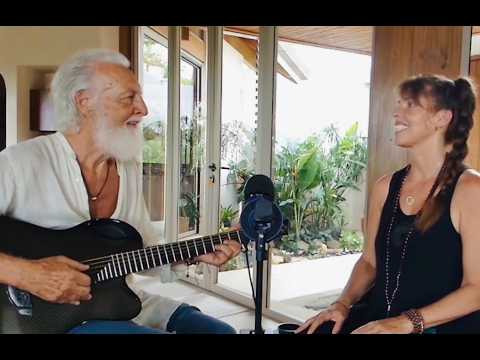
This 21-day mantra meditation journey centers on the Sanskrit mantra "Om Shanti Om" (Om Peace Peace), a foundational practice in Hindu and Buddhist traditions designed to cultivate inner peace and stillness through consistent daily repetition. The program, facilitated by Deva Premal and Miten, engaged over 200,000 participants from 204 countries in 2013, demonstrating the global appeal of mantra-based meditation as a practical tool for spiritual development and mental clarity.

Leitura · 8 seções

What is Om Shanti Om and why use it for meditation?

Om Shanti Om is one of the most recognizable Sanskrit mantras in contemporary spiritual practice. The phrase breaks down into two parts: "Om," the primordial sound believed to represent the infinite consciousness in Hindu philosophy, and "Shanti," which means peace in Sanskrit. Repeating "Om Shanti Om" thus becomes an invocation of peace—a verbal and sonic anchoring of the intention to cultivate tranquility within oneself and, by extension, in the world.

The mantra operates at both a practical and metaphysical level. On the practical side, the rhythm of repetition gives the mind a focal point, reducing the wandering that characterizes ordinary consciousness. On the metaphysical side, practitioners in the Vedantic and tantric traditions understand mantras as carriers of vibrational frequency that align consciousness with higher states. Whether one approaches the practice from a secular mindfulness angle or a devotional spiritual framework, Om Shanti Om provides a vehicle for sustained attention.

Why commit to 21 days of mantra practice?

The 21-day timeframe is not arbitrary. In traditional Ayurveda and behavioral psychology alike, 21 days marks a threshold where neural pathways begin to solidify and new habits take root. The brain requires approximately this duration to establish automatic patterns—to move from conscious effort to more fluid, embodied practice.

By structuring the meditation journey as a 21-day commitment, Deva Premal and Miten created a container that is ambitious enough to yield measurable shifts in consciousness, yet short enough to feel achievable for beginners and experienced meditators alike. This length also respects the biological rhythms of habit formation, making it more likely that participants would experience genuine transformation rather than surface-level engagement.

How does mantra meditation differ from other meditation styles?

While breath-focused meditation (such as vipassana or Zen practice) emphasizes observation of the breath and arising thoughts, mantra meditation actively employs the voice or inner ear to anchor consciousness. Rather than watching the mind, the practitioner is giving the mind something to do—a purposeful activity that gradually exhausts its capacity for distraction.

This distinction makes mantra meditation particularly valuable for people with restless or racing minds. The external or internal sound acts as a tether, gently pulling awareness back whenever it drifts. Additionally, mantras like Om Shanti Om carry cultural and spiritual resonance; they are not arbitrary syllables but words embedded with centuries of yogic and meditative tradition, which some practitioners find supportive to their practice.

What are the typical effects of consistent mantra practice?

Consistent mantra meditation typically produces both immediate and long-term effects. In the short term, practitioners often report a settling of mental chatter, a reduction in anxiety, and a sense of grounded calm following practice sessions. The repetitive nature of the mantra induces a mild hypnagogic state—a threshold between waking and sleeping consciousness—in which the ordinary chatter of the mind softens.

Over weeks of practice, deeper changes emerge. Many meditators describe enhanced clarity of perception, improved emotional resilience, and a subtle shift in how they relate to stressors. Some report spontaneous experiences of expanded awareness or moments of profound silence. From a neuroscientific perspective, consistent mantra practice strengthens prefrontal cortex activation (associated with emotional regulation and executive function) while reducing amygdala reactivity (associated with fear and stress responses).

How does a global community shape the meditation experience?

The fact that over 200,000 people from 204 countries participated in Deva Premal and Miten's 21-day journey suggests something important: the power of collective intention and synchronized practice. While meditation is often portrayed as an individual, solitary discipline, there is a centuries-old recognition within yogic and Buddhist traditions that group practice amplifies the effects.

When many people engage the same mantra simultaneously across the globe, practitioners often report heightened experiences—not because they can hear or know about others, but because consciousness itself, in the view of Advaita and other non-dual traditions, is non-local and interconnected. Even from a purely psychological standpoint, knowing that one is part of a large, global community of practitioners offers encouragement and reduces the sense of isolation that can sometimes attend solo spiritual practice.

What is required to engage in a 21-day mantra meditation practice?

The beauty of Om Shanti Om and similar mantra-based practices is their simplicity and accessibility. No special equipment, posture, or location is required. A practitioner can sit in a chair, on a cushion, or even walk while practicing. The practice can be done silently, whispered, or chanted aloud, depending on circumstance and preference.

What is essential is consistency and gentle intention. A typical 21-day program might invite practitioners to repeat the mantra for 10–20 minutes daily, though the duration can be adjusted to fit a person's capacity. The key is showing up regularly and allowing the cumulative effect to unfold. Unlike some meditation practices that demand years of study or initiation, Om Shanti Om is accessible from day one, regardless of spiritual background or prior experience.

How do Deva Premal and Miten approach mantra teaching?

Deva Premal and Miten are internationally recognized for bringing Sanskrit mantras and kirtan (devotional chanting) into contemporary spiritual practice and recording. Their approach is characterized by genuine musicality, respect for the tradition, and a non-dogmatic openness that appeals to secular and devotional practitioners alike. Their recordings of mantras are often layered with instrumental accompaniment that supports the frequency and emotional resonance of the chant.

By offering a structured 21-day journey rather than simply releasing a recording, they honor the principle that transformation requires commitment and container. The organized framework signals to participants that this is a serious practice, not casual entertainment, while the music and their presence as guides lower barriers to entry for those new to mantra.

Where to go from here

If the concept of a 21-day Om Shanti Om meditation resonates with you, the first step is to commit to a specific timeframe and schedule. Deva Premal and Miten maintain an active presence through their Gayatri Sangha app, newsletter, and music recordings, making it easy to access guided versions of the practice and connect with their broader body of work in mantra and kirtan. Beginning with 10 minutes daily is a sustainable starting point; many practitioners find that consistency matters far more than duration. As you progress through the 21 days, pay gentle attention to shifts in your mental clarity, emotional stability, and sense of inner peace, without grasping at particular outcomes. The practice itself, done with steady intention, is the fruit.

Miten
AutorMiten

British musician who transformed from 1970s rock performer to internationally renowned mantra singer. Born Andy Desmond, he became a disciple of Osho in 1980 and now tours globally…

Ver perfilSite
Explorar temas
Om-shanti-omMantra-meditationSanskrit-mantras21-day-practiceMeditation-journey

Tem perguntas?

Perguntas frequentes

Om Shanti Om combines the primordial sound "Om" with "Shanti," which means peace in Sanskrit. The full phrase translates to "Om Peace Peace" and is pronounced "Om SHA-un-tee Om." It's a Sanskrit invocation designed to cultivate inner tranquility and is one of the most widely recognized mantras in contemporary spiritual practice.
A typical 21-day program recommends 10–20 minutes of daily repetition, though the duration can be adjusted to fit your schedule and capacity. Consistency matters more than length; showing up daily with gentle intention is more effective than sporadic longer sessions. The mantra can be chanted aloud, whispered, or repeated silently in the mind.
Mantra meditation is not inherently better, but it works differently than breath-focused practices like vipassana. Mantra gives the restless mind a purposeful activity to anchor consciousness, making it especially helpful for people with racing thoughts. Different practices suit different temperaments; mantra's strength is in providing something active to focus on.
Consistent practice typically produces immediate calm and reduced mental chatter, with deeper effects emerging over time including improved emotional resilience, mental clarity, and stress reduction. Scientific research shows mantra meditation strengthens the prefrontal cortex (emotional regulation) while reducing amygdala reactivity (fear and stress responses).
Yes. While Om Shanti Om has roots in Hindu and yogic traditions, the practice works at both practical and physiological levels. Even approached purely as a mindfulness or attention-training tool, the mantra provides a focal point that quiets mental chatter and builds emotional stability, regardless of belief system.
The global participation reflects both the accessibility of the practice and the power of collective intention. The program was structured, well-guided, and used music to lower barriers to entry. Additionally, practicing with a large global community can amplify effects through shared intention and the non-local nature of consciousness recognized in yogic traditions.
Commit to a specific daily time and duration (10–20 minutes is standard), find a quiet space, and begin chanting or silently repeating the mantra. You can follow along with Deva Premal and Miten's recordings via their Gayatri Sangha app or music platforms. The key is consistency; showing up daily for 21 days allows the practice to take root in your neurology and consciousness.
Both Ayurvedic tradition and modern behavioral psychology recognize 21 days as the threshold where neural pathways solidify and new habits become more automatic. This timeframe is long enough to produce measurable shifts in consciousness and brain function, yet short enough to feel achievable for beginners, making it an ideal container for genuine transformation.

Continuar lendo

More from Miten

Ver Tudo
Sanskrit Chanting & Kirtan: South America Tour 2026
Featured

Sanskrit Chanting & Kirtan: South America Tour 2026

Deva Premal and Miten return to South America for their first tour in over a decade, bringing sacred Sanskrit mantras and healing kirtan to …

1 min read
Ide Were Were: Ochun Chant and Sacred Feminine Power
Featured

Ide Were Were: Ochun Chant and Sacred Feminine Power

Deva Premal and Miten's revisited chant honoring Ochun, the Yoruba goddess of fresh water, fertility, and sacred feminine power.…

1 min read
Deva Premal & Miten Australia Tour 2026: Singing Our Prayers
Featured

Deva Premal & Miten Australia Tour 2026: Singing Our Prayers

Deva Premal and Miten announce their return to Australia in October 2026 for three concerts and a Gayatri Gathering Retreat in Byron Shire.…

1 min read
Monthly Satsang Meditation: Mantras, Sound Healing & Presence
Featured

Monthly Satsang Meditation: Mantras, Sound Healing & Presence

A guided meditation satsang exploring the healing power of mantras, sacred sound resonance, and collective spiritual gathering across contin…

1 min read

Continue explorando

Continue sua jornada

Mais sabedoria e mais encontros de todo o diretório BrightStar.

Mais artigos

Explore a biblioteca completa de ensinamentos, entrevistas e guias.

Voltar a todos os artigos →

Professores e artistas

Conheça as linhagens, os músicos e os guias do mundo consciente.

Explorar artistas →

Encontre um evento

Kirtan, retiros, banhos de som, breathwork, festivais — acontecendo em breve.

Ver eventos →