Embracing the Wholeness of Being
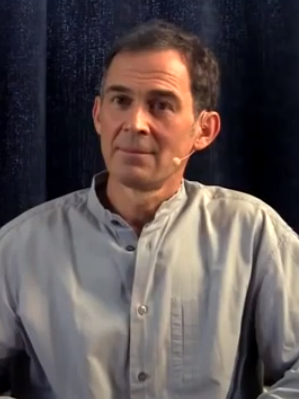
Rupert Spira's assertion, "You are not separate from the whole. You are the whole," invites us to reconsider our understanding of self and existence. This profound statement challenges the deeply ingrained perception of individuality and separation that permeates our daily lives. By recognizing our intrinsic connection to the entirety of existence, we can awaken to a more expansive sense of identity, one that transcends the limitations of the ego. This realization is not merely philosophical; it has the potential to transform our experience of life itself.
In a world often characterized by division and isolation, Spira's words serve as a beacon of unity and interconnectedness. The essence of this teaching lies in the recognition that our consciousness is not a solitary phenomenon but rather a manifestation of a greater whole. This understanding can lead to profound shifts in how we relate to ourselves, others, and the universe at large. By embracing this non-dual perspective, we open ourselves to a deeper experience of love, compassion, and harmony, ultimately fostering a sense of belonging that is both liberating and grounding.
The image / the metaphor
The imagery in Spira's quote evokes a sense of wholeness that is both intimate and expansive. The phrase "not separate from the whole" suggests a deep interconnection, as if we are threads woven into the fabric of existence itself. The use of the verb "are" emphasizes a state of being rather than a transient condition, inviting us to recognize that our essence is inherently linked to the cosmos. This felt sense of unity can be both comforting and challenging, as it calls us to confront the illusions of separation that often dominate our thoughts and actions.
In the speaker's tradition
Rupert Spira's teachings are rooted in the non-dual tradition, which emphasizes the fundamental unity of all existence. Concepts such as *advaita* (non-duality) and *sunyata* (emptiness) resonate deeply within this framework, suggesting that the perceived duality of self and other is an illusion. In this context, the idea of *kenosis*, or self-emptying, becomes relevant, as it encourages us to let go of the ego's grasp and embrace the fullness of our being. This journey toward awakening is not merely intellectual; it is a transformative process that invites us to experience the interconnectedness of all life.
In the *Upanishads*, a foundational text of non-dual philosophy, we find the assertion that "Tat Tvam Asi," meaning "You are That." This ancient wisdom echoes Spira's message, affirming that our true nature is not separate from the ultimate reality. By recognizing our identity as the whole, we align ourselves with this timeless truth, allowing us to transcend the limitations of our conditioned mind. The teachings of non-duality invite us to explore the depths of our consciousness, revealing the profound interconnectedness that underlies all existence.
Living the teaching
Consider a modern scenario where this teaching can be applied: a moment of conflict in a workplace. When tensions rise and disagreements occur, it is easy to feel isolated and defensive, as if we are separate entities vying for recognition and validation. However, by embodying Spira's teaching, we can shift our perspective. Instead of viewing ourselves as opponents, we can recognize that we are all part of a larger whole, each contributing to the collective experience. This awareness can foster empathy and understanding, allowing us to navigate conflicts with compassion and a sense of shared purpose.
In the realm of relationships, the application of this teaching can be equally transformative. Imagine a difficult moment with a loved one, where misunderstandings and hurt feelings create a chasm between you. By embracing the notion that you are not separate from the whole, you can cultivate a deeper sense of connection. This perspective encourages you to see beyond the surface-level disagreements and recognize the shared humanity that binds you together. In doing so, you may find that forgiveness and reconciliation become more accessible, as you acknowledge the inherent unity that exists even amidst discord.
A reflection
As we contemplate Spira's profound assertion, we are invited to reflect on our own experiences of separation and unity. How often do we allow the illusion of individuality to cloud our perception of interconnectedness? In moments of solitude or conflict, we can ask ourselves: "In what ways can I recognize my oneness with the whole?" This contemplative question serves as a gentle reminder that our true essence is not confined to the boundaries of our ego but is, in fact, a vibrant expression of the greater tapestry of existence.



Join the BrightStar Community
Stay connected with daily inspiration, event announcements, and community wisdom