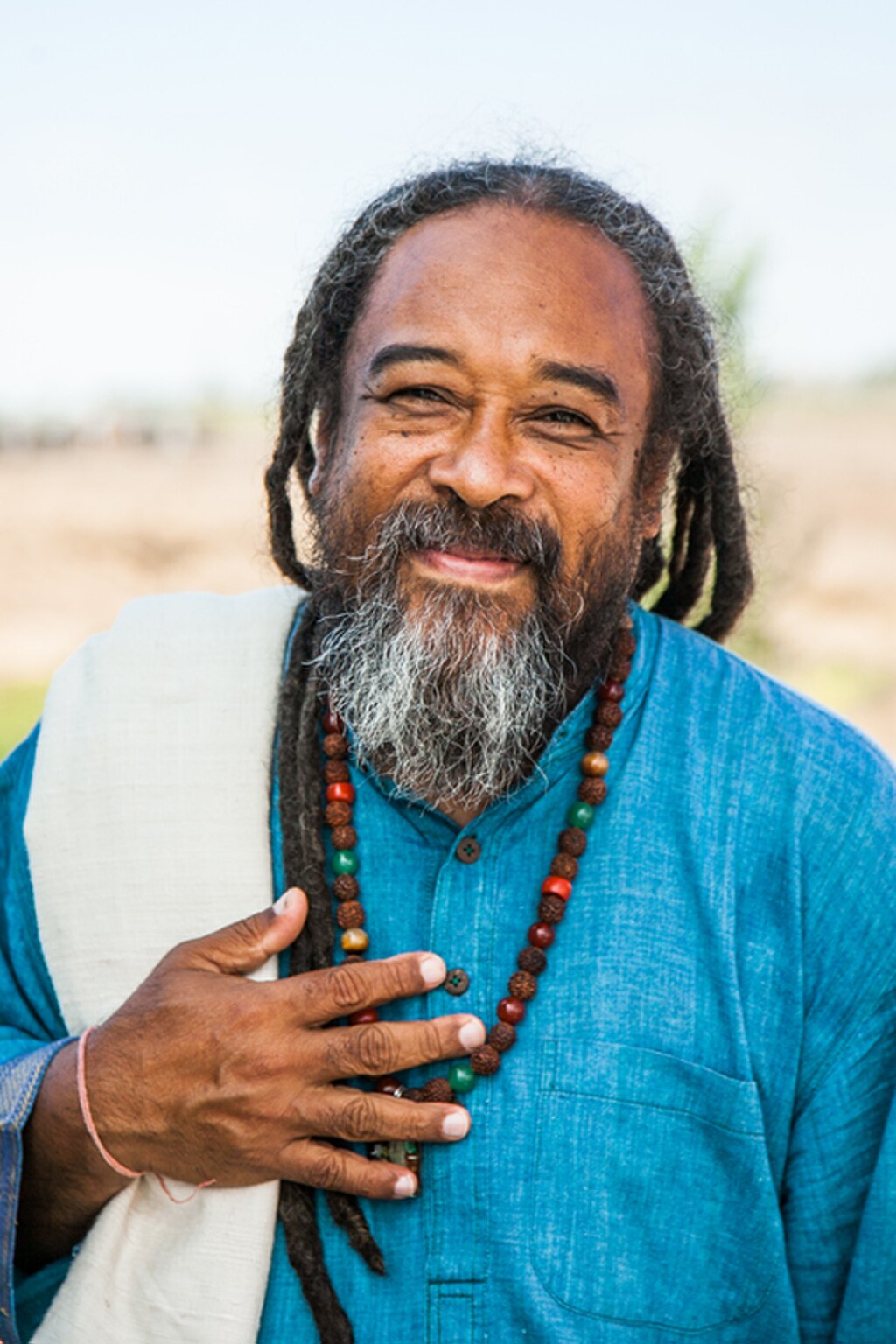
The Art of Recognition: Embracing Being in Non-Dual Awareness
Mooji's assertion, "You don't have to do anything. You just have to recognize," invites us into a profound understanding of existence that transcends the incessant demands of doing. In a world that often equates worth with action, this statement serves as a gentle reminder that our essence is not contingent upon our achievements or efforts. Instead, it beckons us to a state of being where recognition itself becomes the path to liberation. This perspective is not merely philosophical; it has the potential to transform our experience of life, urging us to shift from a mindset of striving to one of simply being.
As we delve deeper into this teaching, we uncover layers of meaning that challenge our conditioned responses to life. The notion that we need not engage in relentless doing but rather embrace a state of recognition speaks to the heart of non-dual philosophy. It suggests that the essence of our being is already complete and whole, waiting to be acknowledged rather than constructed. This recognition is not an act of the mind but a profound realization that can lead to a more authentic and peaceful existence, free from the burdens of expectation and self-imposed limitations.
The image / the metaphor
The imagery in Mooji's quote is striking in its simplicity. The verbs "do" and "recognize" create a dichotomy between action and awareness, inviting us to consider the weight we place on our efforts. To "do" implies a sense of struggle, a striving toward an elusive goal, while "recognize" suggests a gentle unveiling of what is already present. This subtle shift in focus from doing to recognizing evokes a sense of ease, as if we are being invited to peel back layers of illusion to reveal the truth of our being.
Diving deeper into this metaphor, we can see that recognition is akin to awakening from a dream. In the dream state, we may believe ourselves to be separate, engaged in a myriad of activities that seem to define us. However, upon waking, we realize that the dream was just that—a transient experience. Mooji's teaching encourages us to awaken to the reality of our existence, where the essence of who we are is not bound by the narratives we construct but is instead a timeless presence that simply needs to be recognized.
In the speaker's tradition
Mooji's teachings are deeply rooted in the non-dual tradition, which emphasizes the interconnectedness of all existence and the illusion of separation. Concepts such as *sunyata* (emptiness) and *fana* (annihilation of the self) resonate with the essence of his message. In this framework, the act of recognizing our true nature is not merely an intellectual exercise but a transformative experience that leads to the dissolution of the ego and the realization of our unity with all that is. This perspective aligns with the teachings of Advaita Vedanta, where the ultimate goal is to recognize the non-dual nature of reality.
In the context of Mooji's teachings, we can draw parallels with the *Upanishads*, ancient texts that explore the nature of reality and the self. For instance, the *Chandogya Upanishad* speaks of the importance of understanding the essence of *Brahman*, the ultimate reality, and how this recognition leads to liberation. Just as the Upanishads guide seekers toward the realization of their true nature, Mooji's words serve as a contemporary invitation to awaken to the profound truth that lies within each of us.
Living the teaching
Consider a modern scenario where this teaching can be applied: a busy professional overwhelmed by the demands of work and life. In the midst of deadlines and responsibilities, the individual may feel trapped in a cycle of doing, believing that their worth is tied to their productivity. By embracing Mooji's teaching, they can pause and recognize that their value is inherent, not contingent upon their accomplishments. This shift in perspective can lead to a more balanced approach to work, allowing for moments of stillness and reflection amidst the chaos.
Another application of this teaching can be found in interpersonal relationships. Imagine a situation where misunderstandings arise between partners, leading to conflict and emotional distance. By embodying the principle of recognition, one partner can choose to step back from the urge to react defensively and instead recognize the shared humanity and love that underlies their connection. This act of recognition can pave the way for deeper understanding and healing, transforming the relationship from one of discord to one of compassion and unity.
A reflection
As we contemplate Mooji's profound invitation to recognize rather than do, we are left with a contemplative question: What aspects of my life am I striving to achieve that may already be present within me, waiting to be recognized? This question invites us to explore the layers of our existence, encouraging a gentle inquiry into the nature of our being. In this exploration, may we find the grace to embrace the simplicity of recognition and the profound peace that comes from simply being.



Join the BrightStar Community
Stay connected with daily inspiration, event announcements, and community wisdom