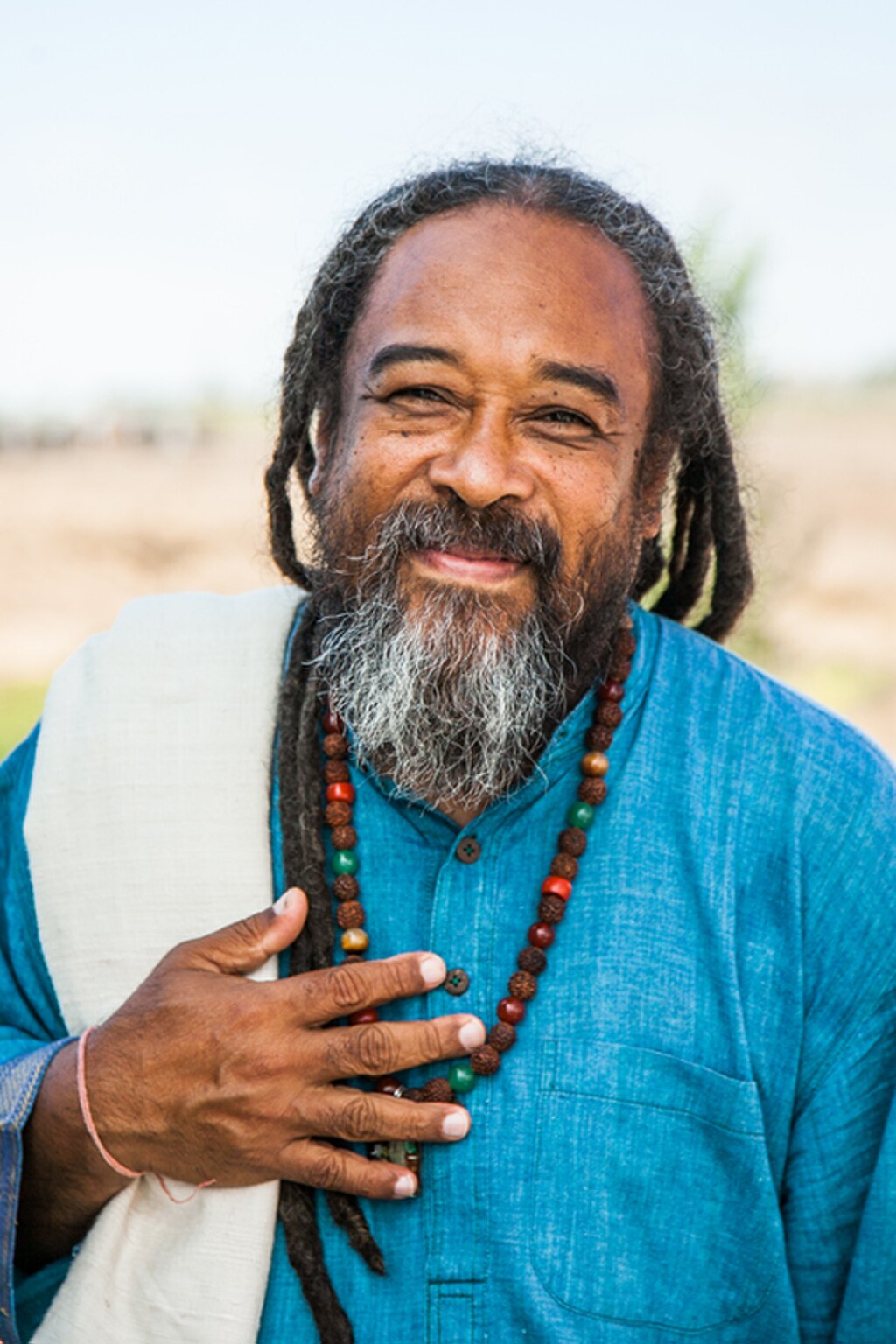
The Unmoved Observer: Embracing the Witness Within
The quote "The witness is not affected by what is witnessed" invites us to explore the profound distinction between our inner observer and the experiences that unfold in our lives. Mooji, a contemporary teacher of non-duality, encourages us to recognize that our true essence, the witness, remains untouched by the myriad events and emotions we encounter. This understanding holds significant implications for our mental and emotional well-being, offering a pathway to greater peace and clarity amidst the chaos of existence.
At the heart of this teaching lies the invitation to cultivate a deeper awareness of our own consciousness. By recognizing the witness within, we can begin to disentangle ourselves from the emotional turbulence that often accompanies our experiences. This perspective not only fosters resilience but also nurtures a sense of detachment that allows us to engage with life more fully, without being ensnared by its transient nature. In a world that often equates identity with experience, Mooji's assertion serves as a gentle reminder of the enduring presence of our true self.
The image / the metaphor
The imagery in Mooji's quote evokes a sense of duality between the observer and the observed. The term "witness" suggests a presence that is both aware and detached, akin to a spectator at a play who observes the unfolding drama without becoming embroiled in the narrative. The verbs "is not affected" emphasize a state of stability and equanimity, highlighting the witness's role as a steadfast observer amidst the fluctuations of life. This metaphor invites us to envision ourselves as the calm center of a storm, where external events swirl around us, yet we remain anchored in our essence.
In the speaker's tradition
Mooji's teachings are deeply rooted in the non-dual tradition, which emphasizes the interconnectedness of all existence and the illusion of separation. Concepts such as *sunyata* (emptiness) and *fana* (annihilation of the self) resonate with the essence of the witness, as they invite us to recognize the impermanence of our experiences and the underlying unity of consciousness. In this context, the witness serves as a bridge to understanding our true nature, transcending the dualistic perceptions that often confine us to a limited sense of self.
In the *Upanishads*, ancient texts that explore the nature of reality and the self, we find echoes of Mooji's message. The *Taittiriya Upanishad* speaks of the *Atman*, the true self, as distinct from the body and mind, reinforcing the idea that our essence remains unaffected by the external world. This timeless wisdom aligns with Mooji's assertion, inviting us to explore the depths of our being and recognize the witness as the unchanging core of our existence. By engaging with these teachings, we can cultivate a deeper understanding of ourselves and our relationship with the world.
Living the teaching
Consider a modern scenario where this teaching can be applied: imagine navigating a challenging work environment filled with stress and competition. In such a setting, it is easy to become entangled in the emotions and reactions of those around us, leading to burnout and frustration. By embodying the witness, we can observe the dynamics at play without becoming overwhelmed. This perspective allows us to respond thoughtfully rather than react impulsively, fostering a sense of calm and clarity even in the midst of chaos.
In the realm of relationships, the concept of the witness can be equally transformative. Picture a moment of conflict with a loved one, where emotions run high and misunderstandings abound. By stepping back and adopting the witness perspective, we can observe our own reactions and the patterns of interaction without being swept away by them. This practice not only enhances our ability to communicate effectively but also deepens our empathy and understanding, allowing us to navigate difficult moments with grace and compassion.
A reflection
As we contemplate Mooji's profound assertion, we are invited to explore the nature of our own witnessing presence. How often do we allow ourselves to step back and observe our thoughts, emotions, and experiences without becoming entangled in them? In moments of stress or turmoil, can we remember the witness within, allowing it to guide us toward a place of peace and clarity? This contemplative inquiry invites us to deepen our understanding of ourselves and our relationship with the world, fostering a sense of connection to the unchanging essence that resides within us all.



Join the BrightStar Community
Stay connected with daily inspiration, event announcements, and community wisdom