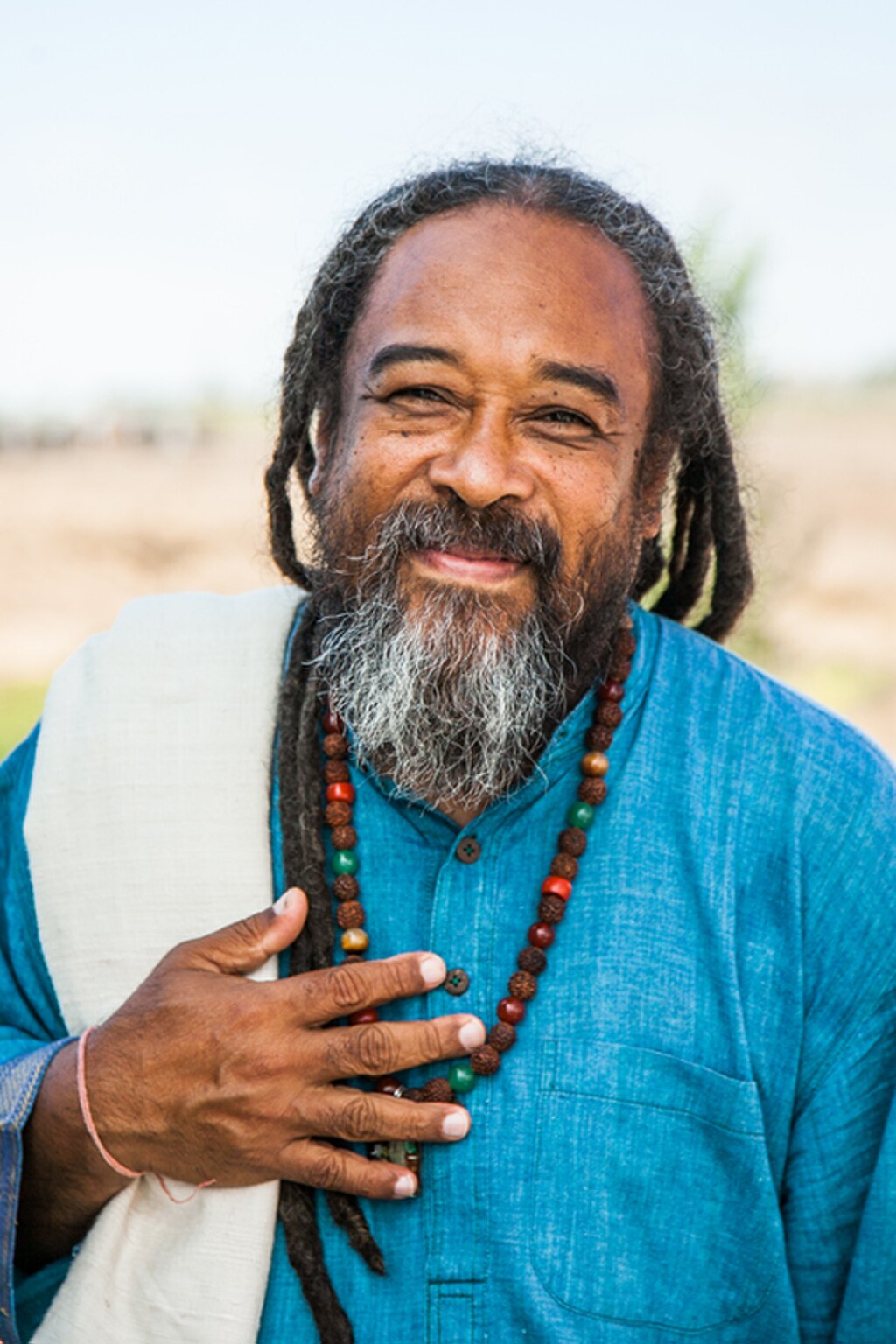
The Direct Path of Self-Inquiry: A Journey Within
Mooji's assertion that "self-inquiry is the most direct path" invites us to explore the profound depths of our own consciousness. This statement suggests that the journey toward understanding our true nature does not require elaborate rituals or complex doctrines; rather, it is a simple yet profound act of turning our attention inward. In a world filled with distractions and external validations, this teaching serves as a reminder of the power of introspection and the clarity that arises from it. The stakes are high, as the path of self-inquiry can lead to liberation from the illusions that bind us.
Delving deeper, we recognize that self-inquiry is not merely a method but a transformative practice that can reshape our understanding of existence. It challenges us to confront our beliefs, fears, and desires, urging us to peel back the layers of identity that we have constructed over time. This process is both liberating and daunting, as it requires a willingness to face the unknown within ourselves. By embracing this journey, we open ourselves to the possibility of discovering a more authentic and unconditioned self, one that exists beyond the confines of societal expectations and personal narratives.
The image / the metaphor
The phrase "self-inquiry" conjures an image of a seeker gazing into a still pond, where the surface reflects not only the sky above but also the depths below. The act of inquiry implies a movement—an active engagement with one's own thoughts and feelings, akin to a diver plunging into the waters of the psyche. The word "direct" emphasizes the immediacy of this exploration; it suggests that the answers we seek are not distant or abstract but rather accessible within our own being. This imagery evokes a sense of intimacy with oneself, where the journey inward is both a challenge and a revelation.
Going deeper into the metaphor, we can see that self-inquiry is akin to a sculptor chiseling away at a block of marble. Each question posed is a strike of the chisel, revealing the form that lies hidden within. This process requires patience and courage, as it often involves confronting uncomfortable truths and dismantling long-held beliefs. The metaphor of the sculptor also highlights the idea that our true essence is not something to be created but rather uncovered—a reminder that we are already whole, waiting to be recognized.
In the speaker's tradition
Mooji's teachings are deeply rooted in the non-dual tradition, which emphasizes the interconnectedness of all existence and the illusion of separateness. Concepts such as *advaita* (non-duality) and *sunyata* (emptiness) resonate throughout his work, inviting practitioners to recognize the underlying unity of all things. In this context, self-inquiry becomes a vital tool for dismantling the ego's illusions and realizing one's true nature, which is often described as pure consciousness or awareness. This journey aligns with the notion of *kenosis*, or self-emptying, where one relinquishes the false self to embrace the boundless essence of being.
A relevant text that echoes this sentiment is the *Upanishads*, which speak of the importance of self-knowledge as a means to liberation. The *Chandogya Upanishad* states, "Tat tvam asi" or "That thou art," suggesting that the essence of the individual is not separate from the universal. This ancient wisdom aligns seamlessly with Mooji's assertion, reinforcing the idea that through self-inquiry, we can uncover the profound truth of our existence and our inherent connection to the cosmos.
Living the teaching
Consider a modern scenario where an individual grapples with feelings of inadequacy in their professional life. They may find themselves constantly seeking validation from colleagues and superiors, feeling trapped in a cycle of comparison and self-doubt. By engaging in self-inquiry, they can begin to question the beliefs that underpin these feelings. What is it that defines their worth? Is it external approval, or is there a deeper sense of value that resides within? This practice can lead to a transformative realization that their worth is intrinsic and not contingent upon external accolades.
In a different context, imagine a relationship strained by misunderstandings and unspoken grievances. One partner may feel neglected and unappreciated, leading to resentment. Through self-inquiry, they can explore their own feelings and reactions, asking themselves what fears or insecurities are driving their responses. This introspective approach not only fosters personal growth but also opens the door for deeper communication and understanding within the relationship. By recognizing their own patterns, they can approach their partner with greater compassion and clarity, paving the way for healing and connection.
A reflection
As we contemplate Mooji's assertion that "self-inquiry is the most direct path," we are invited to consider our own relationship with introspection. What fears or hesitations arise when we think about turning our gaze inward? In a world that often prioritizes external achievements and validation, how can we cultivate a practice of self-inquiry that feels both safe and transformative? Reflecting on these questions can guide us toward a deeper understanding of ourselves and our place within the tapestry of existence.



Join the BrightStar Community
Stay connected with daily inspiration, event announcements, and community wisdom