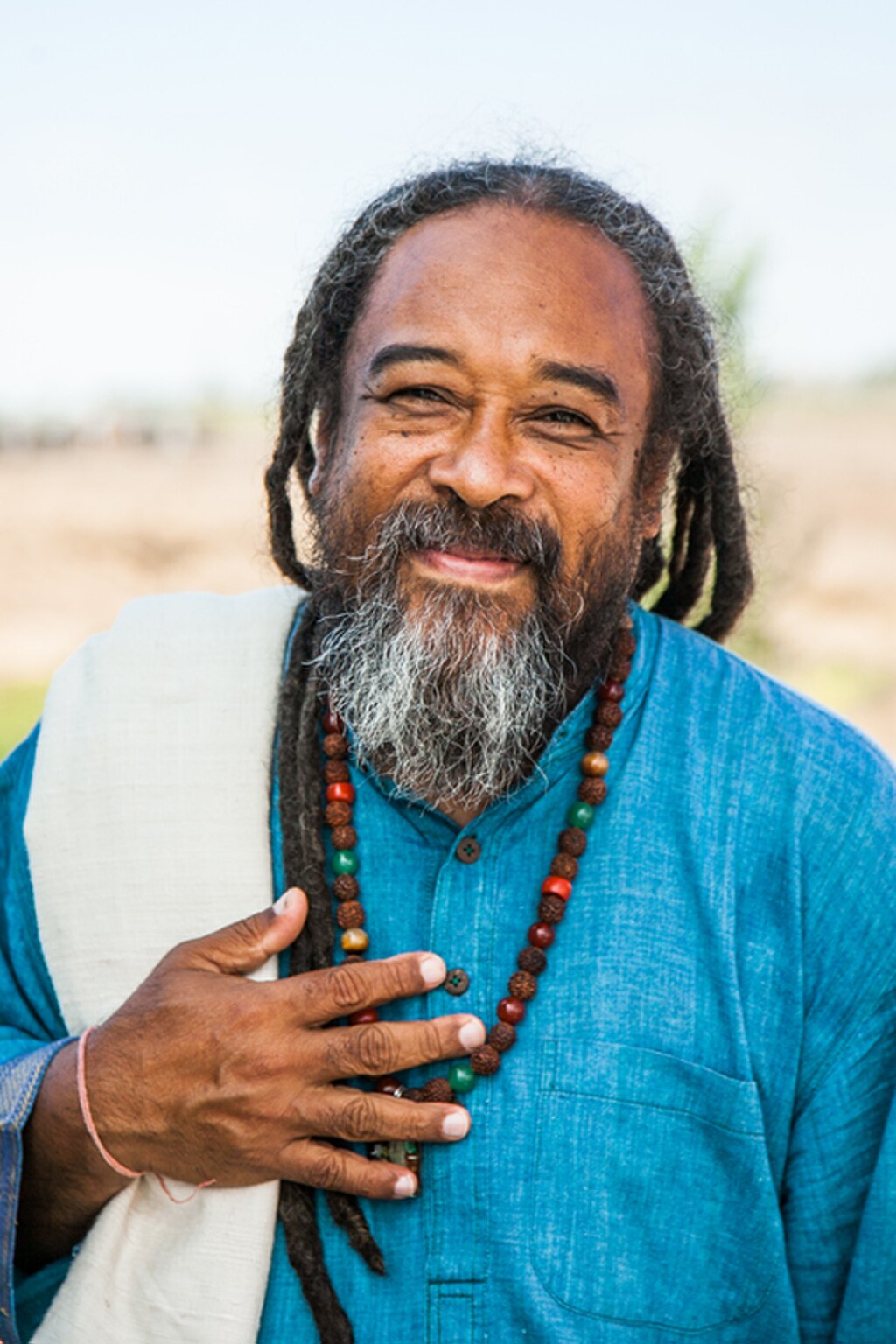
The Boundless Nature of Awareness
Mooji's assertion that "Awareness has no form, no shape, no boundary" invites us to explore the essence of our consciousness, urging us to recognize that awareness transcends the limitations of the physical world. This profound statement challenges our habitual ways of perceiving reality, suggesting that true awareness exists beyond the confines of our thoughts, emotions, and sensory experiences. Understanding this concept is crucial for anyone seeking deeper spiritual insight, as it opens the door to a more expansive view of existence and our place within it.
In a world often dominated by form and structure, Mooji's words serve as a gentle reminder that the essence of our being is formless and boundless. This realization can be both liberating and daunting, as it calls into question our attachment to identity and the narratives we construct around ourselves. By embracing the formless nature of awareness, we can begin to dissolve the boundaries that separate us from one another and from the universe itself, fostering a sense of unity and interconnectedness that is at the heart of many spiritual traditions.
The image / the metaphor
The imagery in Mooji's quote evokes a sense of vastness and fluidity, suggesting that awareness is not something we can grasp or contain. The absence of form and shape implies a state of being that is dynamic and ever-changing, much like the ocean's surface, which reflects the sky but is not limited to its image. The verbs chosen—"has" and "no"—indicate a state of existence that is not defined by physical attributes, inviting us to experience awareness as an expansive field rather than a fixed entity.
Diving deeper into this metaphor, we can liken awareness to the sky itself, which remains unchanged regardless of the weather patterns that pass through it. Just as the sky holds space for clouds, storms, and sunlight without being altered by them, our awareness can encompass a myriad of thoughts and feelings without becoming defined by them. This understanding encourages us to cultivate a perspective that sees beyond the transient nature of our experiences, allowing us to connect with the deeper, unchanging essence of our being.
In the speaker's tradition
Mooji's teachings are rooted in the non-dual tradition, which emphasizes the interconnectedness of all existence and the illusion of separateness. Concepts such as *sunyata* (emptiness) and *fana* (annihilation of the self) resonate deeply with the idea that awareness is formless and boundless. In this context, awareness is not merely a passive observer but an active participant in the unfolding of life, revealing the profound truth that our individual identities are but temporary manifestations of a greater whole.
Living the teaching
Consider a modern scenario where the teaching of formless awareness can be applied: a stressful day at work filled with deadlines and demands. In such moments, it is easy to become overwhelmed by the chaos, identifying ourselves solely with our roles and responsibilities. However, by remembering Mooji's insight, we can pause and reconnect with the awareness that exists beyond the stress. This shift allows us to approach our tasks with a sense of calm and clarity, recognizing that we are not merely our jobs or our stressors but something far more expansive.
In relationships, this teaching can also manifest profoundly. Imagine a disagreement with a loved one, where emotions run high and misunderstandings abound. By embodying the understanding that awareness is formless and boundless, we can step back from the conflict, recognizing that our true selves are not defined by our opinions or reactions. This perspective fosters compassion and understanding, allowing us to engage in the relationship from a place of love rather than attachment, ultimately leading to deeper connections and resolutions.
A reflection
As we contemplate Mooji's assertion that "Awareness has no form, no shape, no boundary," we are invited to explore the nature of our own awareness. How often do we confine ourselves within the limits of our identities, beliefs, and experiences? In what ways can we begin to dissolve these boundaries and embrace the boundless nature of our true selves? Reflecting on these questions can lead us to a deeper understanding of our interconnectedness and the infinite possibilities that lie within the formless essence of awareness.


Join the BrightStar Community
Stay connected with daily inspiration, event announcements, and community wisdom