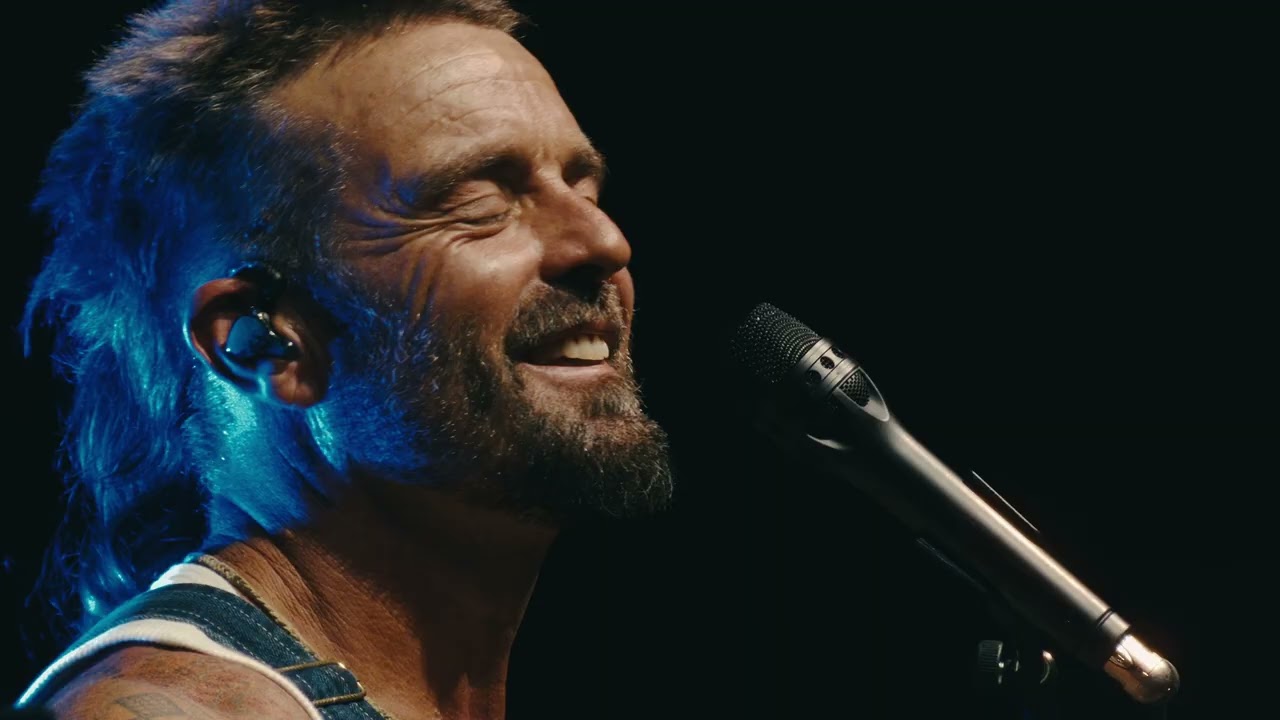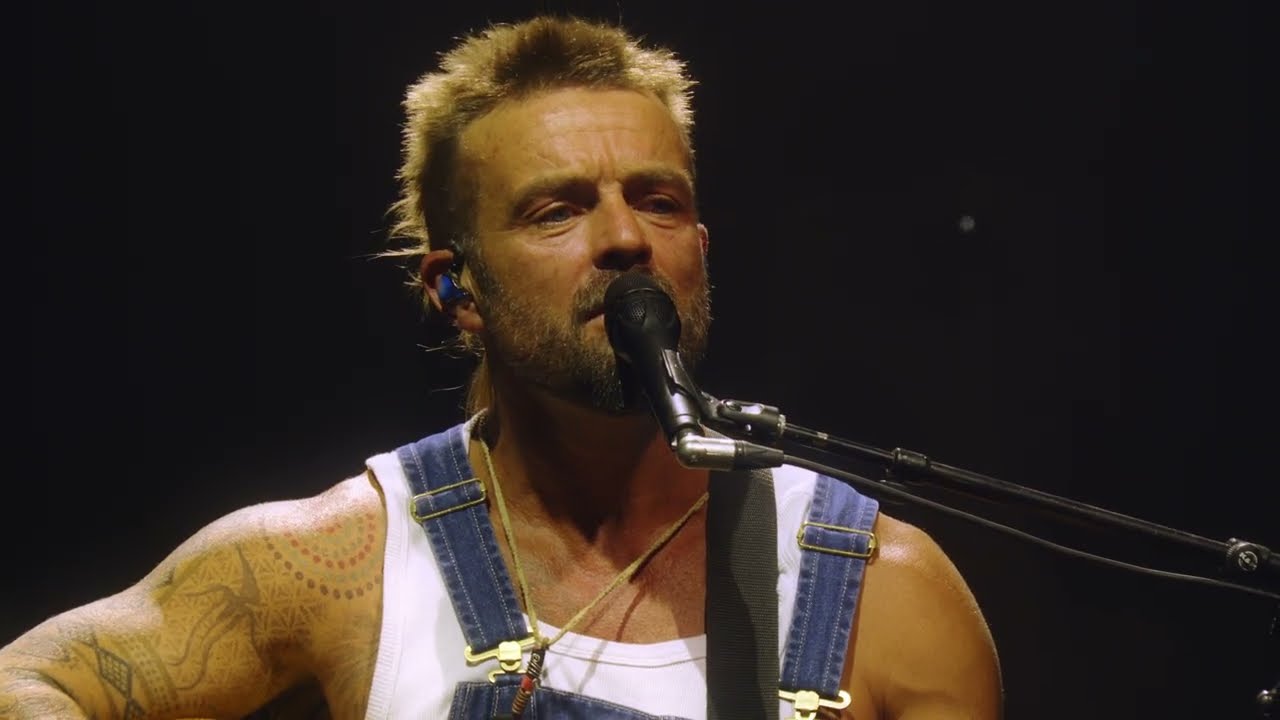
TLDR: In September 2025, Australian singer-songwriter Xavier Rudd performed "Follow the Sun" alongside Italian rock legend Zucchero at Verona's ancient amphitheatre—a five-minute live moment that distills themes of intention, acceptance, and listening to the heart amid life's weight. The performance weaves guided breath work, philosophical reflection on societal pressure, and the recurring mantra of following the sun's direction as a metaphor for trusting one's intuition and releasing what cannot be controlled.
What Does "Follow the Sun" Actually Mean in Rudd's Context?
The opening invocation—"Follow the sun / which way the wind blows / This day is done"—establishes the song's core wisdom: a surrender to natural rhythms and present-moment awareness. Rather than fighting against external pressures or time's passage, the listener is invited to accept each day's completion as final ("when this day is done, it stays done") and approach the next with fresh intention. Rudd uses the sun not as romantic metaphor but as a navigation tool—something visible, reliable, and indifferent to human anxiety. The wind's direction becomes a second compass, suggesting that life's path reveals itself to those paying attention rather than those forcing predetermined routes.
How Does Breath Work Anchor the Song's Message?
Midway through the performance, Rudd explicitly instructs the crowd: "Breathe in the air. Set your intentions. Dream with care." This is not decorative—it is functional. By anchoring listeners in the breath, he interrupts the mental loops that create suffering. The instruction to "cherish this moment" and "cherish this breath" (around 1:57-1:61) moves the practice beyond intellectual understanding into somatic presence. Tomorrow may bring a "brand new moon, brand new sun," but that renewal is irrelevant if the body and mind are trapped in yesterday's weight. The song thus performs what it teaches: it slows time through melody and breathing cues, giving the listener a direct experience of presence rather than a lecture about it.
What Role Does Societal Pressure Play in the Narrative?
One of the most candid moments arrives around 1:82-1:90: "When you feel life coming down on you like a heavy weight. When you feel this crazy society had to change your soul to the nearest world." This is not vague anxiety—Rudd names the mechanism of modern suffering explicitly. Society demands conformity, asks the soul to shrink to fit narrow definitions of success or belonging. The song does not deny this weight; instead, it offers a counter-narrative rooted in continuity: "Remember your place many more reason for a long before you came." You existed before society's demands. You will exist after them. This genealogical grounding—the sense of being part of a longer human lineage—provides ballast against the pressure to abandon one's own truth.
Why Does the Song Repeat "What Does Your Heart Say?"
The refrain "What does your heart say?" (starting around 2:15 and recurring throughout) is the song's central question. In Rudd's framing, the heart is distinct from the mind's calculations and the ego's reactions. When flooded by societal expectations or life's chaos, most people consult their fear or their ambition—rarely their heart. By repeating this question, Rudd trains the listener to develop discernment: in any moment of confusion, pause and ask not "What should I do?" or "What is expected of me?" but "What does my heart actually say?" This is an epistemological shift—a claim that the heart possesses its own knowing that can be accessed when the noise quiets.
How Does the Performance Amplify the Song's Teaching?
The setting—Verona's ancient amphitheatre, where performances have unfolded for millennia—is not incidental. Rudd himself notes in the video description his amazement at discovering Zucchero's deep cultural roots and twelve-night run in this venue. By performing in such a space, alongside an artist of Zucchero's stature in Italy, Rudd underlines one of his own themes: connection transcends borders, and authentic artistry recognizes authentic artistry regardless of geography. The five-minute length itself mirrors the song's content—no elaborate production, no extended narrative. What remains is distilled: breath, voice, intention. The simplicity asks the listener to do the work, not the performance.
What Is the Relationship Between Acceptance and Action?
A potential confusion arises: if the day is done and you must follow the sun's direction, does this counsel passivity? The answer lies in the distinction between control and choice. Rudd does not say "do nothing." He says "follow"—an active verb. The sun has a direction; the wind blows; society exerts pressure. These are givens. But "following" implies attention and alignment rather than resistance. You choose your direction by listening—to your heart, to the birds, to love. This is not fatalism; it is strategic acceptance. By releasing the fantasy that you can control the outcome (the day's completion), you free energy to align with what is actually moving in your life.
Where to Go From Here
For those drawn to Rudd's approach, the practice is immediate: Before sleep tonight, pause and ask your heart what it is trying to tell you about the day now complete. Notice the difference between the mind's judgment ("I should have done X") and the heart's knowing (a quieter voice, perhaps offering forgiveness or the next small step). Over time, this practice reshapes decision-making. Explore Rudd's broader catalog on Spotify and his official website to encounter how these themes recur—always grounded in specific imagery and always inviting participation rather than passive consumption. If interested in the cross-cultural artistic exchange that produced this moment, investigate Zucchero's discography as well; Rudd's openness to learning from artists in unexpected places reflects the song's own teaching about following direction rather than clinging to what is already known.