The Sacred Union: Embracing the Self and All Beings
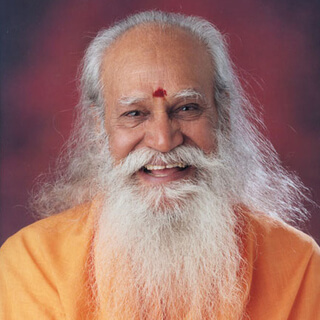
Swami Satchidananda's assertion that "Yoga means union — union with the Self, with all beings, with the Source" encapsulates the essence of yoga as a profound journey towards interconnectedness. This statement invites us to explore the depths of our being, urging us to recognize not only our individual existence but also our intrinsic connection to the universe and the divine. In a world often marked by division and isolation, this teaching serves as a beacon, illuminating the path toward unity and wholeness.
To understand the significance of this union, we must delve into the layers of meaning embedded within the concept of yoga itself. It is not merely a physical practice or a series of postures; rather, it is a holistic approach to life that encompasses the mind, body, and spirit. By engaging in yoga, we embark on a transformative journey that fosters self-awareness, compassion, and a deep sense of belonging to the greater tapestry of existence. This union is not a destination but a continuous process of awakening to our true nature and the interconnectedness of all life.
The image / the metaphor
The imagery in Swami Satchidananda's quote evokes a sense of harmony and wholeness. The word "union" suggests a coming together, a merging of distinct elements into a singular, cohesive whole. This union is not one of erasure but of recognition; it invites us to see the Self as part of a larger cosmic dance, where each being plays a vital role. The verbs chosen—"means" and "with"—imply an active engagement, a dynamic relationship that requires both awareness and intention.
Diving deeper into the metaphor, we can envision yoga as a bridge that connects the individual to the collective. This bridge is built on the foundation of self-acceptance and love, allowing us to transcend the illusion of separateness. In this light, the practice of yoga becomes a sacred act of remembering our true essence, a return to the Source from which we all emerge. It is an invitation to dissolve the boundaries that keep us isolated and to embrace the interconnected web of life that binds us together.
In the speaker's tradition
Swami Satchidananda's teachings are rooted in the tradition of integral yoga, which emphasizes the holistic integration of body, mind, and spirit. This approach aligns with the concept of dharma, or one's rightful duty, which encourages individuals to act in harmony with the greater good. Integral yoga also resonates with the idea of kenosis, the self-emptying love that allows for a deeper connection with others and the divine. By recognizing our shared essence, we can cultivate a sense of bhakti, or devotion, that transcends personal desires and fosters compassion for all beings.
A relevant text that echoes this sentiment is the Bhagavad Gita, which speaks of the importance of selfless action and the interconnectedness of all life. In Chapter 5, Verse 25, it states, "Those who are free from attachment, who are self-controlled, and who are engaged in the welfare of all beings, are truly liberated." This passage reinforces the idea that true liberation comes not from isolation but from embracing our role within the larger cosmic order, thus embodying the union that Satchidananda describes.
Living the teaching
Consider a modern scenario where this teaching finds resonance: a workplace filled with competition and individualism. In such an environment, the notion of union may seem distant, yet it is precisely in these moments that the practice of yoga becomes essential. By approaching colleagues with empathy and understanding, we can foster a sense of community that transcends rivalry. This shift in perspective allows us to see our coworkers not as adversaries but as fellow travelers on the journey of life, each contributing to the collective success of the team.
Another application of this teaching can be found in our personal relationships. Imagine a moment of conflict with a loved one, where misunderstandings and hurt feelings create a chasm between you. By invoking the principle of union, you can approach the situation with a mindset of compassion and openness. Instead of focusing solely on your own grievances, you can seek to understand the other person's perspective, recognizing that both of you are part of the same emotional landscape. This practice of empathy not only heals the rift but also deepens the bond between you, illustrating the transformative power of union in action.
A reflection
As we contemplate Swami Satchidananda's profound insight into the nature of yoga, we are invited to reflect on our own experiences of union and separation. How can we cultivate a deeper sense of connection with ourselves and others in our daily lives? This question serves as a guiding light, encouraging us to explore the ways in which we can embody the essence of yoga, fostering unity in a world that often feels fragmented. In this exploration, may we find the courage to embrace our shared humanity and the divine Source that unites us all.


Join the BrightStar Community
Stay connected with daily inspiration, event announcements, and community wisdom