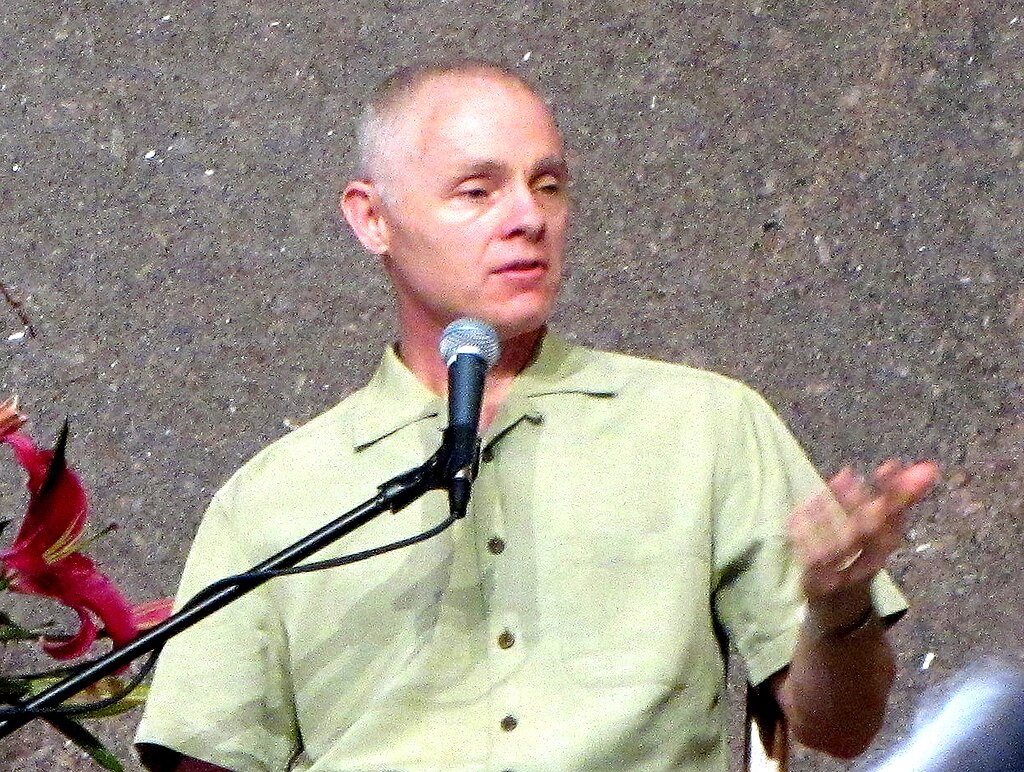
The Journey of Verification: A Path to Authentic Experience
In the words of Adyashanti, "Don't believe me. Verify in your own experience." This invitation serves as a profound reminder that spiritual truths are not merely to be accepted on faith but must be explored and validated through personal experience. The stakes are high; in a world saturated with information and opinions, the quest for genuine understanding demands that we engage deeply with our own consciousness. This quote beckons us to embark on an inner journey, urging us to seek the truth within ourselves rather than relying solely on external authorities.
Adyashanti's call to verification emphasizes the importance of direct experience in the spiritual journey. It challenges us to move beyond the confines of intellectual understanding and into the realm of lived reality. This shift is not merely an academic exercise; it is a transformative process that can lead to profound insights and awakenings. By encouraging us to trust our own experiences, Adyashanti invites us to cultivate a deeper relationship with our inner selves, fostering a sense of autonomy and empowerment in our spiritual pursuits.
The image / the metaphor
The imagery in Adyashanti's quote is striking in its simplicity and directness. The verbs "believe" and "verify" create a dynamic interplay between passive acceptance and active engagement. To "believe" suggests a reliance on external validation, while "verify" calls for an active, personal investigation into the nature of reality. This distinction evokes a sense of urgency and responsibility; it is not enough to passively accept teachings or doctrines. Instead, we are invited to dive into the depths of our own experience, to explore the nuances of our consciousness, and to uncover the truths that resonate within us.
In the speaker's tradition
Adyashanti's teachings are deeply rooted in the non-dual tradition, which emphasizes the interconnectedness of all existence and the illusion of separation. Concepts such as sunyata (emptiness) and prajna (wisdom) resonate with the essence of his message. In non-dual philosophy, the emphasis is placed on direct experience as a means to transcend the dualistic perceptions of self and other. This perspective aligns with the idea that true understanding arises not from intellectual concepts but from the direct realization of our inherent nature.
In his work, Adyashanti often references the importance of awakening to the present moment, echoing teachings found in texts like the Heart Sutra, which speaks of the emptiness of all phenomena. The invitation to verify one's experience aligns with the Buddhist practice of mindfulness, where practitioners are encouraged to observe their thoughts and sensations without attachment. This approach fosters a deep sense of awareness and clarity, allowing individuals to discern the nature of their own consciousness and the world around them.
Living the teaching
Consider a modern scenario where this teaching might resonate: a person grappling with feelings of anxiety and uncertainty about their life path. They may seek guidance from various sources—books, podcasts, or spiritual teachers—hoping to find clarity. However, the essence of Adyashanti's message reminds them that true understanding cannot be found solely in external advice. Instead, they are encouraged to turn inward, to explore their own feelings and experiences, and to discover what resonates with their authentic self. This process of self-inquiry can lead to profound insights and a sense of empowerment.
In a different context, imagine a relationship facing challenges. One partner may feel unheard or misunderstood, leading to frustration and conflict. Adyashanti's teaching invites both individuals to verify their experiences rather than relying on assumptions or preconceived notions. By engaging in open dialogue and actively listening to one another, they can cultivate a deeper understanding of each other's perspectives. This practice of verification fosters empathy and connection, allowing the relationship to evolve and flourish.
A reflection
As we contemplate Adyashanti's invitation to verify our experiences, we are left with a poignant question: What truths have I accepted without personal exploration, and how might my understanding shift if I were to engage more deeply with my own experience? This question invites us to embark on a journey of self-discovery, encouraging us to seek the wisdom that lies within. In doing so, we may find that the answers we seek are not found in external validation but in the rich tapestry of our own consciousness.


Join the BrightStar Community
Stay connected with daily inspiration, event announcements, and community wisdom