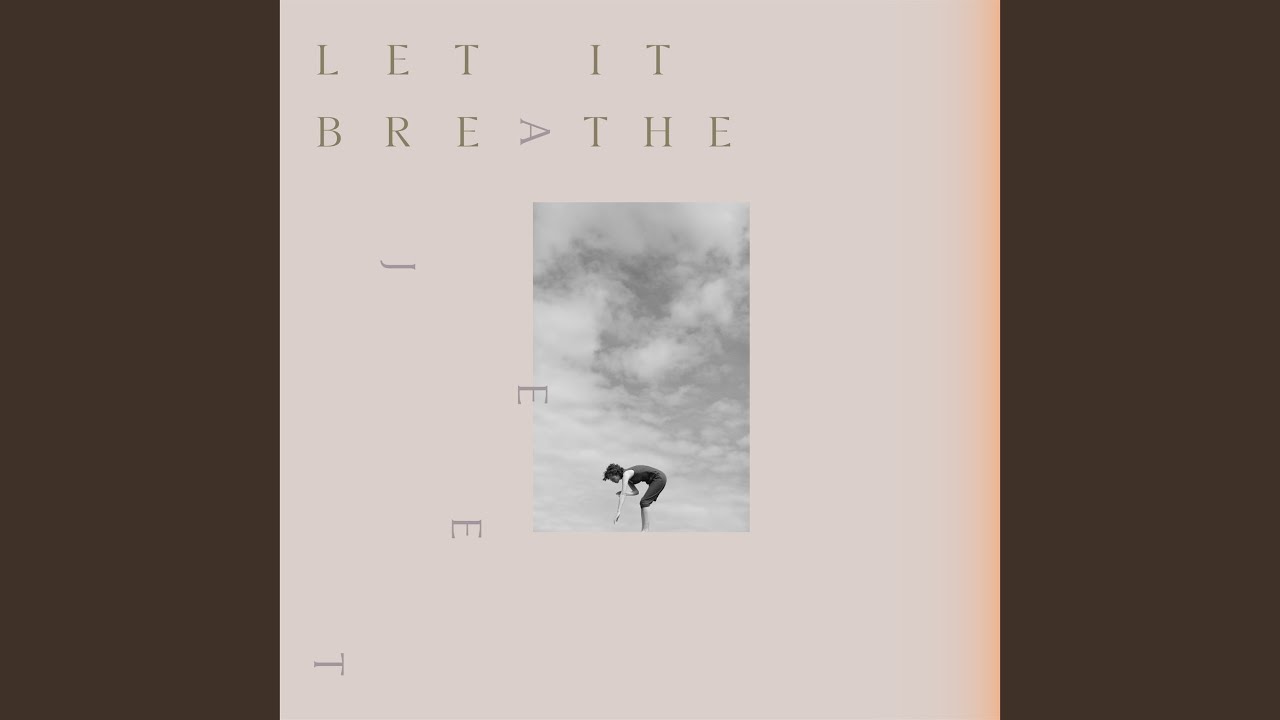
Ajeet's "Healing Song" is a kundalini-informed musical composition designed to activate emotional release and somatic healing. Released in 2023 on Spirit Voyage Records and produced by Siobhan Moore, the track combines sacred sound principles with contemporary production to create a vessel for inner work. The song operates at the intersection of mantra tradition and modern healing music, offering listeners a focal point for processing emotional blocks and reconnecting with body-centered awareness.
What is kundalini healing music?
Kundalini healing music draws from the Indian classical and yogic traditions that understand sound as a direct pathway to consciousness and physical transformation. In kundalini yoga philosophy, specific frequencies, tones, and vocal patterns are believed to activate energy channels in the body, particularly the spine and central nervous system. Unlike purely instrumental or ambient music, kundalini compositions often incorporate mantras—sacred syllables or phrases—that carry both linguistic meaning and vibrational signature.
Ajeet, a recognized kirtan artist and kundalini music practitioner, has built a body of work centered on using the voice and melodic structure as tools for healing. "Healing Song" exemplifies this approach: it is not merely a pleasant listening experience, but rather a functional composition intended to support the listener's emotional and energetic work. The production quality—handled by Siobhan Moore and a team including mastering engineer Piper Payne—ensures that the sonic clarity allows the healing frequencies to reach the listener without distortion or degradation.
How does sound affect emotional release in the body?
The premise underlying healing music traditions is straightforward: the body stores emotion as tension, holding grief, fear, and unprocessed experience in muscles, organs, and connective tissue. Sound—particularly at sustained pitches and in rhythmic patterns—can interrupt this holding pattern. When a listener engages with a healing song, the vibrations interact with the nervous system, potentially triggering a relaxation response or, paradoxically, mobilizing stored emotion for release.
This is not mystical thinking, but rather an application of neuroscience and somatic theory. The vagus nerve, a primary pathway of the parasympathetic nervous system, responds to vocal tones and musical rhythm. Mantra-based music, by anchoring the mind to a specific sound or intention, can temporarily bypass the thinking mind—which often reinforces emotional armor—and access deeper layers of sensation and feeling.
"Healing Song" uses melody and production design to create what might be called a "holding space" in sound. Rather than demanding the listener's emotional response or prescribing a particular feeling, the composition provides a stable, resonant frequency field. Within that field, the listener's own nervous system can begin to self-regulate, recognize where tension lives, and gradually release it.
What role does mantra play in kundalini healing?
In kundalini and broader yogic traditions, mantra is not recitation for its own sake. Each mantra—whether it be a single syllable like "Om" or a longer phrase—carries a specific relationship to consciousness, chakra centers, and the movement of subtle energy. The syllables themselves have mathematical and vibrational properties; when voiced, they create reverberations in the skull, sinuses, and vocal tract that stimulate nerve pathways.
A healing song that incorporates mantra does two things simultaneously: it keeps the thinking mind engaged with a meaningful intention or affirmation, while the physical act of listening (or singing along, if the listener chooses) triggers somatic shifts. The repetition of mantra creates a rhythm that can synchronize with the heartbeat and breath, further anchoring the listener in the present moment rather than in anxiety about the past or future.
Ajeet's work is notable for its accessibility to contemporary listeners unfamiliar with Sanskrit or yogic philosophy. While rooted in classical kundalini principles, the production and arrangement of "Healing Song" make it approachable for anyone seeking emotional or physical release, regardless of spiritual background.
How is "Healing Song" structured as a sonic container?
The production credits—Siobhan Moore as producer and engineer, Piper Payne as mastering engineer, with additional engineering by Scott Mulvahill, Maneesh De Moor, and Sam Killeen—indicate a substantial, multi-layered approach to the track. This is not a lo-fi bedroom recording, but rather a carefully crafted composition designed to translate the subtle energetic work of kundalini music into high-fidelity sound.
A healing song typically functions as a sonic container in the following ways: it establishes a stable root frequency or key center that the nervous system can lock onto; it uses rhythm—either explicit percussion or implied through phrasing—to anchor attention; and it incorporates dynamics (moments of intensity and softness) that mirror the natural rhythm of emotional release, building and settling. The instrumentation and vocal processing choices all serve the central aim: to create a space where the listener's own healing capacity can activate.
The dual music publishing credits to Spirit Voyage Publishing and Daphne's Wood Publishing suggest the track may combine original composition with elements drawn from established kundalini lineages—a common practice in contemporary healing music, where traditional wisdom is adapted for modern contexts.
Who benefits most from healing music?
Healing music like "Healing Song" serves listeners across a spectrum of needs. It can be particularly valuable for those working through grief, emotional overwhelm, or somatic tensions related to trauma. It is also widely used in sound therapy sessions, yoga classes, meditation practices, and therapeutic contexts like bodywork or counseling.
The beauty of a publicly released track like this is that it reaches beyond the boundaries of formal healing spaces. A listener discovering it on YouTube or Spotify may not have framed their need as "seeking healing music," but might find themselves drawn to it when their nervous system recognizes a resource that can support processing.
Those with an existing kundalini yoga practice will recognize the frequencies and structures that support their spiritual work. Newcomers to mantra and sacred sound traditions will encounter healing music as an accessible entry point into the understanding that sound and intention are not separate from body and emotion, but rather directly linked to them.
What distinguishes this release within Ajeet's catalog?
Ajeet has released previous works on Spirit Voyage Records, a label specializing in kirtan, mantra, and kundalini music. "Healing Song," released in November 2023, represents the ongoing evolution of kundalini music production in the digital age. The emphasis on high-quality mastering and multi-engineer collaboration reflects the maturation of healing music as a recognized sonic discipline, not merely as a niche spiritual practice.
The track's modest but significant YouTube view count (over 537,000 at the time of publication) suggests an engaged audience—not a mass-market viral phenomenon, but rather a steady stream of listeners actively seeking this type of work. This reflects the fragmented but sincere landscape of contemporary healing music consumption, where dedicated practitioners find and return to resources that genuinely serve their practice.
Where to go from here
If "Healing Song" resonates with you, deepen your engagement by incorporating it into a dedicated listening practice. Rather than backgrounding it during other activities, create a quiet space and listen with full attention, noticing what arises in your body and emotion. You might also explore other works by Ajeet on Spirit Voyage Records to understand the breadth of his approach to kundalini music.
For those new to kundalini healing traditions, consider pairing listening with basic somatic awareness: simply noting where you hold tension, where you feel ease, and how those sensations shift as the song unfolds. If you work with a yoga teacher, therapist, or bodyworker, you might share the track and explore how it supports your existing practice.
Finally, investigate the science and tradition behind mantra and sound healing. Books on kundalini yoga, sonic therapy, and vagal regulation offer intellectual frameworks that can deepen your trust in the process, helping you recognize that healing music operates through both ancient wisdom and verifiable physiological pathways.