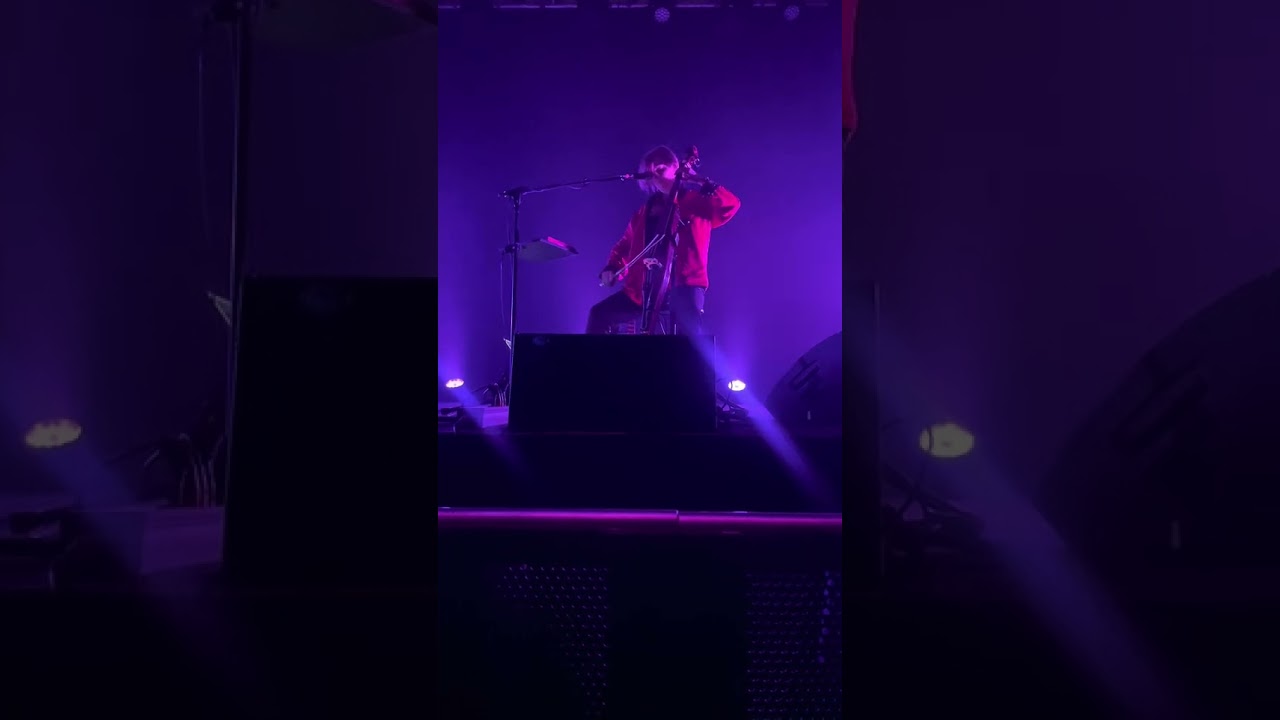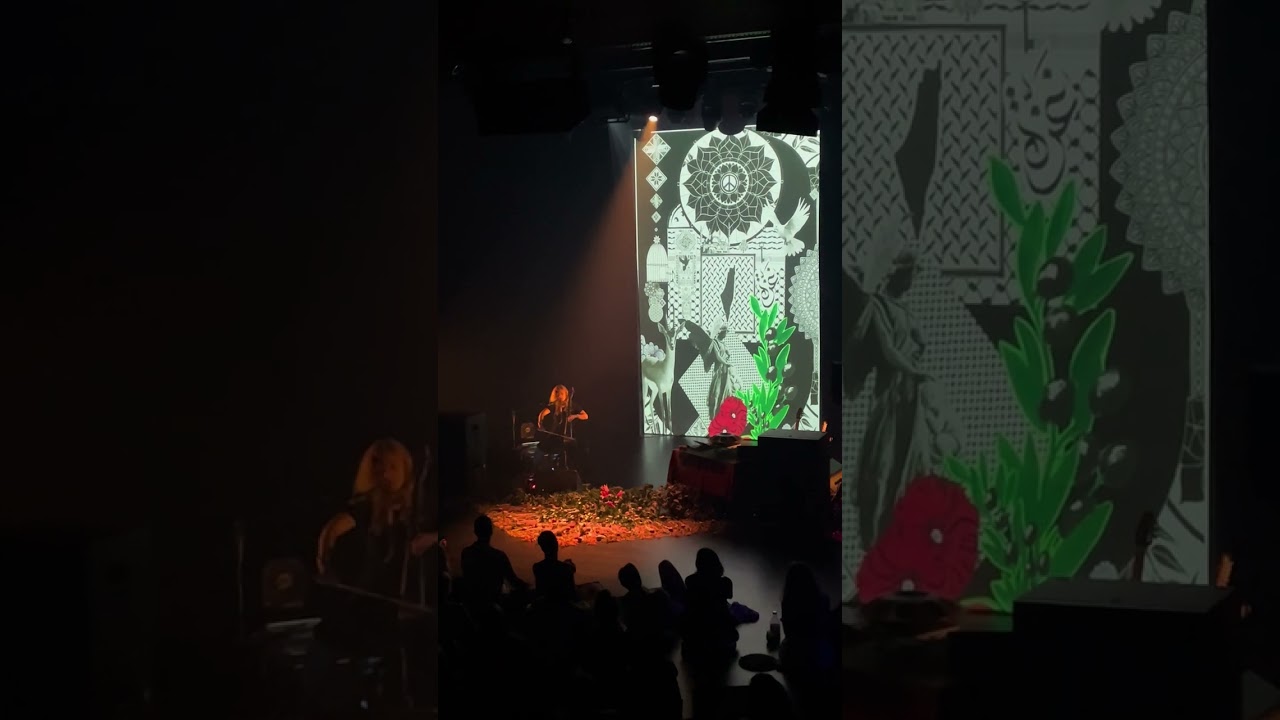
TLDR: Shannon Hayden's "Vanished" is a live sound healing performance recorded in Ibiza that uses ambient frequencies, sonic layering, and resonant tones to guide listeners into meditative states. The piece exemplifies contemporary sound bath practice—using sustained tones, silence, and acoustic space to create conditions for inner stillness and sensory dissolution.
What Is Sound Healing and How Does It Work?
Sound healing—or sound bath practice—operates on the principle that frequencies, vibrations, and sustained tones can influence nervous system states and consciousness. Unlike music designed for entertainment or emotional narrative, sound baths use continuous, often repeating frequencies to create a field of resonance that the listener absorbs passively. The listener lies or sits still while sound surrounds them, allowing the body to entrain to the frequencies rather than the listener following melodic or rhythmic structures.
Shannon Hayden's work in this domain reflects a growing practice in contemporary meditation and wellness spaces where sound becomes a tool for accessing non-ordinary states. The piece "Vanished" suggests a dissolution or disappearance—likely of the thinking mind, the ego, or the sense of separate self—which aligns with the phenomenological goal of many sound baths: to create conditions where ordinary consciousness softens and awareness expands.
The Role of Silence and Space in Sonic Experience
One of the most underestimated elements in sound work is silence. Silence is not the absence of sound but the clearing of space where sound can be felt more acutely. In live performances like "Vanished," the artist likely uses strategic pauses and moments of reduced volume to heighten the contrast and allow the nervous system to integrate the frequencies that came before. This interplay between sound and silence creates a rhythm of stimulation and rest that mirrors natural breathing patterns.
Ibiza, known for electronic music culture and late-night clubbing, is an unusual venue for intimate sound healing work. This geographic specificity matters: recording in Ibiza may reflect a conscious choice to offer meditative practice in a space typically associated with high-energy, sensory intensity. The live setting—even if brief—creates a shared field between performer and audience, where individual listening becomes a collective resonance.
Why Does Duration Matter in Sound Baths?
The video is listed as 17 seconds long, which is unusually brief for a traditional sound bath experience. Most sound healing sessions run 20–60 minutes to allow the listener's nervous system to fully relax and enter a parasympathetic state. A 17-second clip may be:
- A fragment or highlight from a longer session, edited for social media sharing
- An intentional micro-dose of sonic medicine—designed for a quick moment of attunement rather than deep trance
- A portal into a longer piece, where the brevity functions as an invitation rather than a complete experience
Regardless of the practical explanation, short sound recordings serve a modern need: making meditative practice shareable and accessible within the constraints of attention and platform algorithms. Even 17 seconds of intentional sound can shift baseline awareness if the listener is receptive.
What Makes a Live Sound Experience Distinctive?
The fact that this is a live performance, recorded in real time in Ibiza, carries significance. Live sound work differs from studio recordings in several ways:
- Acoustic unpredictability: The room's acoustics, ambient noise, and the energy of the gathering shape the sound in real time. No two live performances are identical.
- Energetic transmission: In many contemplative traditions, the presence and intention of the performer—sometimes called the "field" or "transmission"—directly influences the listener's experience. Live presence may carry dimensions that a recording cannot fully capture.
- Collective resonance: Even if the video shows only one person's audio, those gathered physically are creating a shared container. The recording may preserve traces of that collective attunement.
Hayden's choice to record this work live in a specific place (Ibiza, presumably at a venue or event) suggests that the experience was embedded in a moment, an intention, and a gathering—not merely produced in isolation for later distribution.
Sound as a Path to Dissolution
The title "Vanished" points toward a fundamental theme in contemplative work: the dissolution of the separate self or the thinking mind. In many meditation traditions—Buddhist, Hindu, Sufi, and secular somatic practices—the goal is not to achieve something but to release or dissolve what obscures clarity. Sound can facilitate this by:
- Holding attention in the present moment (the ear tracking frequencies pulls consciousness out of narrative thought)
- Creating a predictable field that allows the nervous system to lower its defenses and rest
- Inducing trance states where ordinary consciousness quiets and subtler layers of awareness emerge
- Offering a focal point for surrender—something to lean into rather than something to control or analyze
In this frame, "vanished" is not a loss but a liberation—the disappearance of the tight, defended self that usually runs the show.
Where to Go from Here
If you are curious about sound healing and sonic meditation, consider exploring longer sessions—either recorded or live—to give yourself enough time to notice shifts in your nervous system and awareness. Look for artists who explain their sonic philosophy and the frequencies or instruments they use, so you understand the intentionality behind what you are hearing. If "Vanished" resonates with you, seek out more of Shannon Hayden's work, and experiment with listening in different states: lying down, in silence, with eyes closed, and with minimal distraction. Sound is a direct technology for touching states of consciousness; approach it with the same respect and presence you would bring to meditation or prayer.