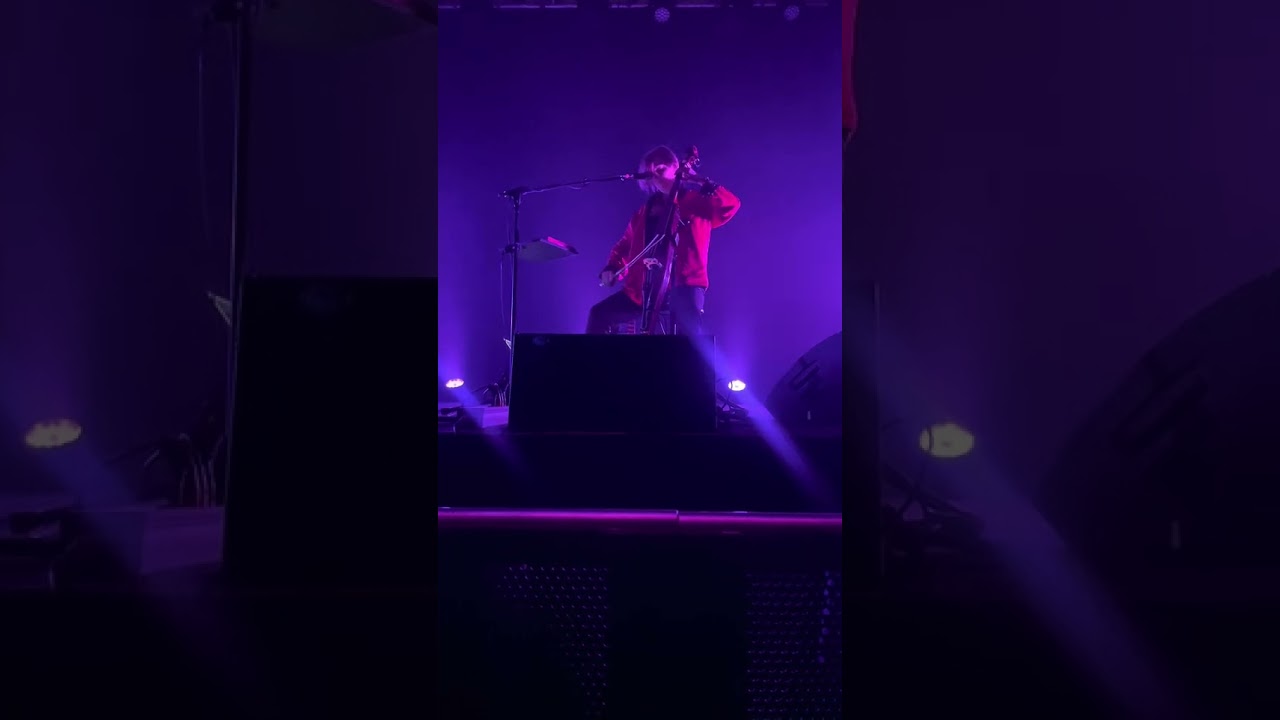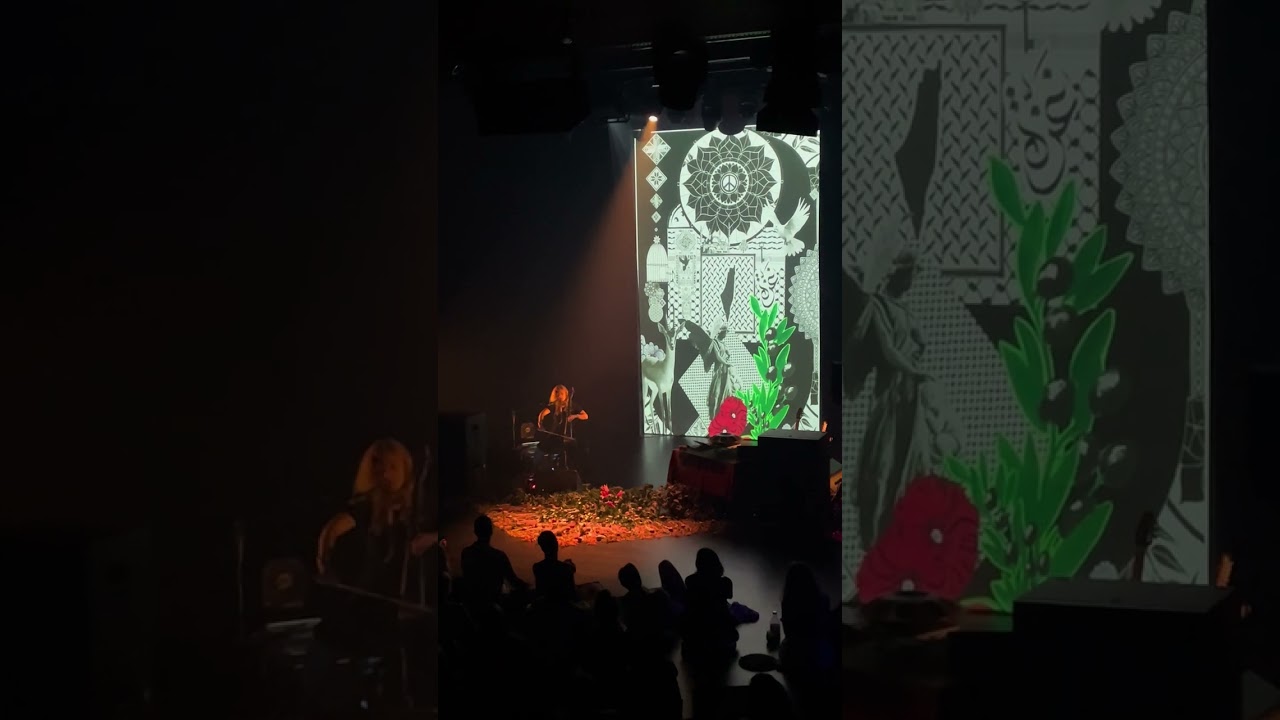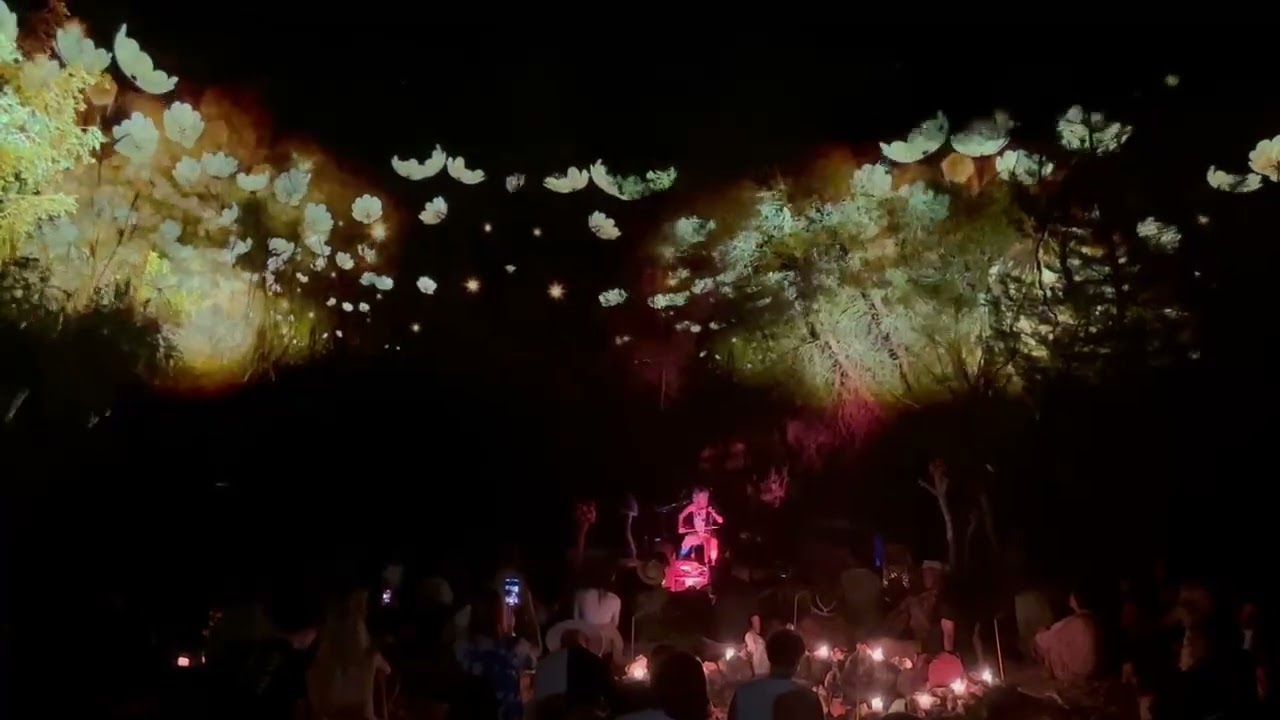
TLDR: Shannon Hayden performs "Silver Superstar" as a live piece in Ibiza, bringing together music, movement, and embodied presence in a club environment. Though the video itself is brief (14 seconds), the performance captures a moment of artistic expression on the dance floor—a space where music, body, and collective energy intersect. This article explores what it means to engage authentically with music and movement as a form of presence and creative expression.
What is a Dance Performance as a Spiritual or Embodied Practice?
Dance and music in club culture, particularly in electronic music spaces like Ibiza, are often dismissed as purely recreational. However, there is a growing recognition that movement to music can be a genuine embodied practice—a way of being present with rhythm, community, and the body's own intelligence. Shannon Hayden's "Silver Superstar" performance suggests this approach: not dance as performance for an external audience, but as authentic engagement with sound and movement.
Embodied practice through dance involves bringing full awareness to the body's movement, the music's rhythm, and the collective energy of those around you. This is distinct from choreography or rehearsed performance; it's an improvisation that emerges from listening—both to the music and to your own body's response. In spiritual traditions across cultures, movement has long been used as a path to presence and liberation: from Sufi whirling to ecstatic movement practices to contemporary somatic work.
How Does Music Create Collective Presence?
One of the underrecognized dimensions of electronic music in spaces like Ibiza is its potential to create synchronized group presence. When a DJ selects a track and a crowd moves together, something shifts in the nervous system of the room. The beat creates a shared temporal reference point; the frequency of the music influences the body's physiology; and the movement of bodies around you—seen peripherally—generates a sense of connection without requiring verbal communication.
This is why the briefness of the 14-second video is actually important: it's not asking you to watch a full narrative or story arc. It's a snapshot of a moment of presence. The viewer is invited to feel the energy of that moment rather than analyze its structure. Shannon Hayden's choice to perform in Ibiza—a location synonymous with electronic music and club culture—positions the performance within a lineage of intentional music-making in communal spaces.
What Does Authenticity Mean in the Context of Club Performance?
There is often a gap between how people move when alone and how they move when in a club or crowd. This gap can be bridged through what might be called authentic embodiment: moving not to impress others or to fit a social code, but because the body has a genuine response to the music. This requires a kind of vulnerability—the willingness to let the music affect you rather than to maintain control over your image or presentation.
Shannon Hayden's live performance in this context suggests an artist who is engaged with the music itself, not performing a persona. The silver aesthetic suggested by the title may also signal a kind of luminosity or clarity—the idea that presence itself has a quality of radiance. In somatic and embodied practice, there is a recognition that when you are truly present, you literally shine—your energy becomes visible to others not through costume or visual trickery, but through the quality of aliveness you embody.
Why Does Location Matter: The Significance of Ibiza as a Performance Space
Ibiza has a decades-long history as a center for experimental electronic music and club culture. It is also a space where people from around the world gather with the explicit intention of dancing, connecting, and altering their consciousness through music and movement. This creates a unique container: a time and place where everyday social norms are temporarily suspended, and people are permitted—even encouraged—to move, express, and connect more openly than they might in other contexts.
For an artist like Shannon Hayden to perform in Ibiza is to participate in this tradition of intentional gathering. The performance becomes not just about the individual artist, but about contributing to a collective field of presence and energy. The choice to release the performance publicly (as a 14-second clip) suggests a desire to document and share that moment—to let others who were not physically present still touch something of the energy that was created there.
The Role of the Body in Understanding Music
Music is not primarily an intellectual or auditory phenomenon—it is a full-body experience. The rhythm of music literally synchronizes with your heartbeat and nervous system. Frequencies in music can shift your brain wave state. The bass, in particular, is felt as much as heard—it bypasses the conscious mind and speaks directly to the body. This is why people gathered for dancing or music often report experiences that transcend mere entertainment: the body itself becomes the instrument of understanding.
When Shannon Hayden performs "Silver Superstar" in Ibiza, the performance is an offering of this body-based knowing. The audience is not being asked to think about the music; they are being invited into a shared physiology—a common ground where bodies move together and the individual ego temporarily dissolves into the collective rhythm. This is one of the most undervalued aspects of music and dance: their power to create coherence and presence at a non-verbal level.
Where to Go From Here
If you are interested in exploring embodied presence through music and movement, consider these paths: First, attend live music events with the intention of genuine presence rather than social performance—notice what happens when you allow your body to respond authentically to sound. Second, explore somatic practices like conscious dance, ecstatic movement, or authentic movement, which create safe containers for this kind of exploration. Third, study the history and culture of electronic music as a spiritual or community-building practice—understanding the lineage helps clarify the potential of the form. Finally, reflect on your own relationship with your body and music: What stops you from moving freely? What happens when you give yourself permission to be fully present in your own embodied experience? Shannon Hayden's performance, though brief, is an invitation to these questions.