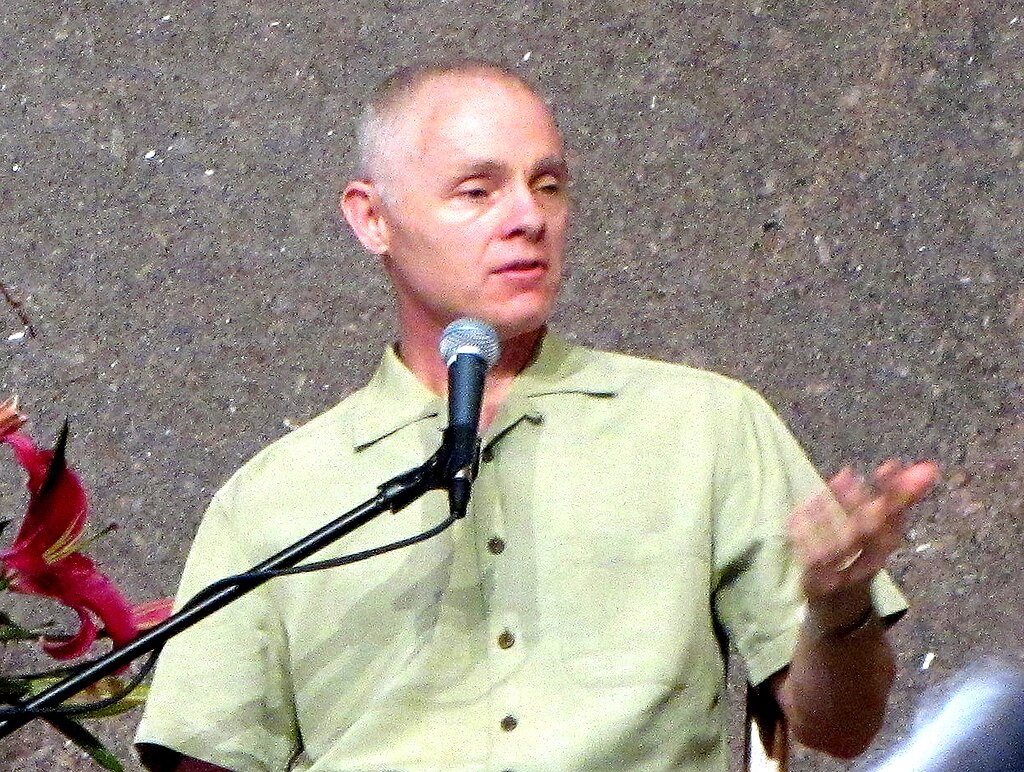
The Art of Allowing: Embracing What Is
In the words of Adyashanti, "Don't try to figure it out. Allow what is to be what is." This simple yet profound statement invites us to relinquish our incessant need to analyze and control our experiences. In a world that often values certainty and understanding, this teaching challenges us to embrace the present moment as it is, without the burden of interpretation or judgment. The stakes are high; in our quest for clarity, we may overlook the beauty of existence unfolding in its own rhythm.
To allow what is to simply be requires a deep trust in the unfolding of life. It is an invitation to step back from the incessant chatter of the mind and to cultivate a space of acceptance. This practice of allowing is not passive resignation but an active engagement with reality as it presents itself. In this way, we can begin to see that the act of figuring things out often leads us away from the truth of our experiences, obscuring the richness that lies in simply being present.
The image / the metaphor
The imagery in Adyashanti's quote evokes a sense of surrender, a gentle release of the tight grip we often have on our thoughts and emotions. The verbs "try" and "allow" contrast sharply; one suggests effort and struggle, while the other embodies ease and acceptance. This juxtaposition invites us to feel the tension in our bodies when we are caught in the cycle of trying to control outcomes versus the spaciousness that comes from allowing life to unfold naturally. It is a felt sense of letting go, akin to the way a river flows effortlessly around obstacles, adapting to the landscape without losing its essence.
Diving deeper into this metaphor, we can see that the act of allowing is akin to the practice of meditation, where we learn to observe our thoughts without attachment. Just as a cloud passes through the sky without altering its vastness, our experiences can come and go without defining us. This metaphor of the flowing river or the passing cloud serves as a reminder that life is in constant motion, and our role is not to control the flow but to witness it with an open heart.
In the speaker's tradition
Adyashanti's teachings are deeply rooted in the non-dual tradition, which emphasizes the interconnectedness of all existence and the illusion of separation. Concepts such as *sunyata* (emptiness) and *kenosis* (self-emptying) resonate with the essence of allowing. In this context, allowing what is to be what is reflects a profound understanding of the nature of reality, where the self is not a fixed entity but a dynamic interplay of experiences. This perspective encourages us to dissolve the boundaries of the ego, revealing the underlying unity of all things.
In the context of non-dual philosophy, we can draw parallels with the teachings found in texts like the *Heart Sutra*, which articulates the idea that form is emptiness and emptiness is form. This profound realization invites us to see that our attempts to figure things out are often rooted in a misunderstanding of our own nature. By allowing what is to simply be, we align ourselves with the fundamental truth of existence, transcending the duality of subject and object.
Living the teaching
Consider a modern scenario where the pressure to figure things out is palpable: a professional facing a challenging project with tight deadlines. The instinct may be to overanalyze every detail, leading to stress and anxiety. However, by embracing Adyashanti's teaching, the individual can shift their approach. Instead of succumbing to the urge to control every aspect, they can allow the process to unfold, trusting in their abilities and the collaborative nature of their team. This shift not only alleviates pressure but also opens the door to creativity and innovation.
This teaching also finds resonance in personal relationships, particularly during moments of conflict. When disagreements arise, the instinct may be to dissect the situation, seeking to prove a point or defend one's position. Yet, by allowing the emotions and perspectives of both parties to exist without judgment, a deeper understanding can emerge. This practice of allowing fosters compassion and connection, transforming potential discord into an opportunity for growth and healing.
A reflection
As we contemplate Adyashanti's invitation to allow what is to be what is, we are called to examine our own relationship with control and acceptance. What areas of your life are you trying to figure out, and how might you benefit from simply allowing them to unfold? In this inquiry, we may discover that the path to peace lies not in our efforts to control but in our willingness to embrace the present moment with an open heart.


