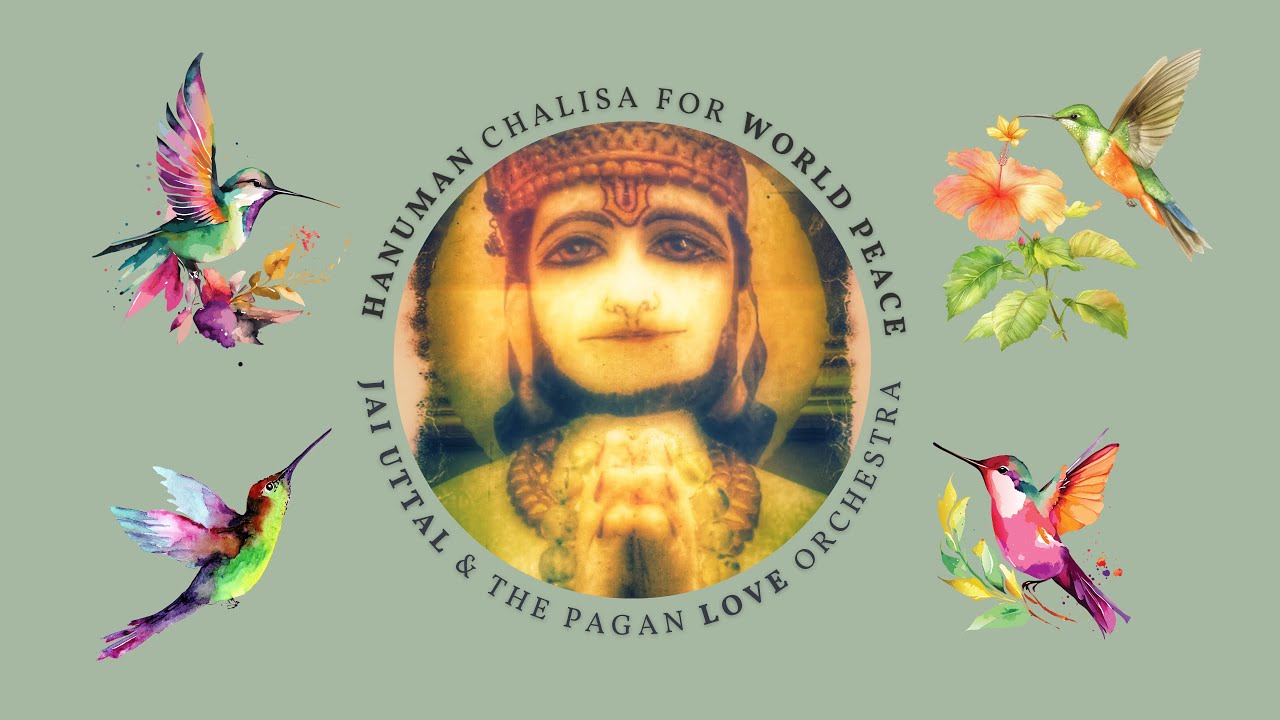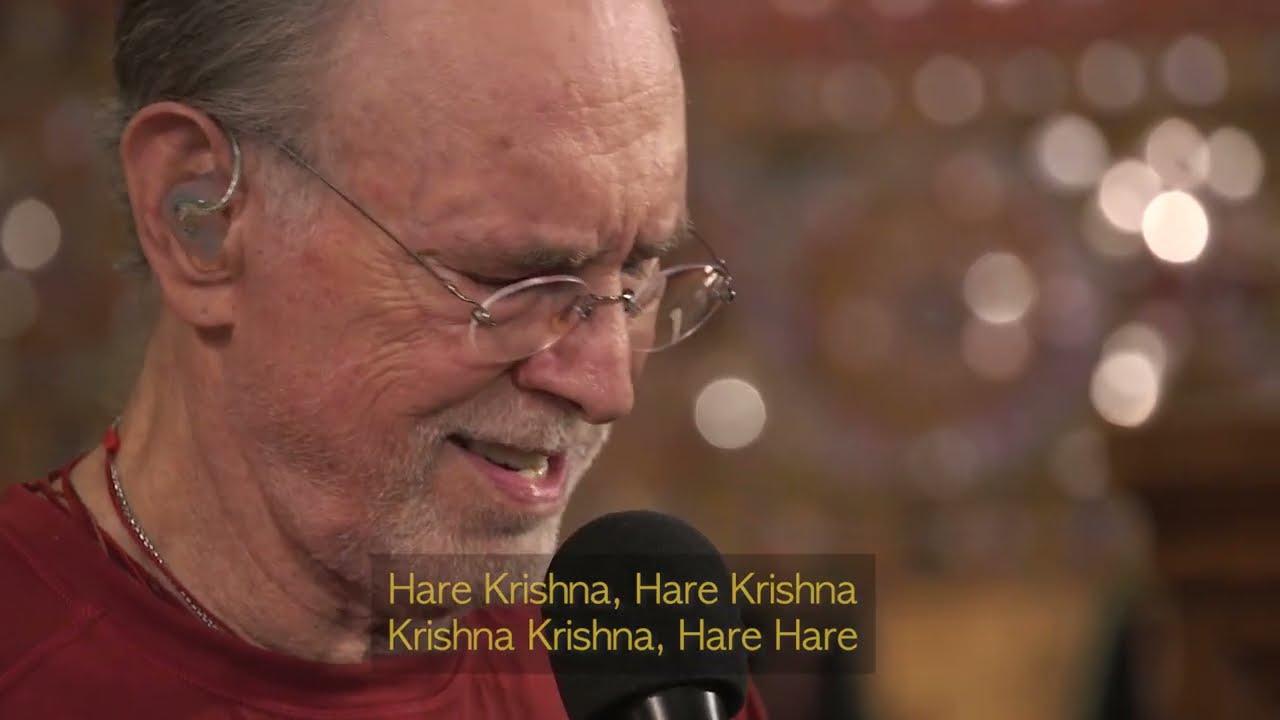
Jai Uttal's "Radhe Reggae" combines the devotional Sanskrit mantra "Radhe Radhe Bolo" with reggae dancehall rhythms (rub-a-dub style) in a live performance at Yoga Pela Paz in São Paulo, Brazil, August 2010. The track features vocalist Prajna Viera and represents an experimental fusion of Caribbean musical traditions with Bhakti chanting—a cross-cultural exploration that Uttal planned to include on a future album release.
What Is "Radhe Reggae" and Where Does It Come From?
"Radhe Reggae" is a devotional chant-song that emerged from Jai Uttal's studio at Yoga Pela Paz during a transformative month spent in São Paulo, Brazil in August 2010. The piece takes the sacred Sanskrit invocation "Radhe Radhe Bolo"—a call to Radha, the divine feminine energy in Hindu and Krishna-centered traditions—and recontextualizes it within reggae and dancehall music frameworks. Rather than treating kirtan as a fixed genre confined to acoustic instruments and traditional Indian call-and-response patterns, Uttal approached the mantra as a vehicle flexible enough to carry multiple musical idioms.
The "rub-a-dub" style referenced in the original performance description refers to a reggae-influenced dancehall production aesthetic that emphasizes percussive, syncopated rhythm patterns. This choice to place an ancient devotional name—Radhe, the beloved consort of Krishna and a central figure in Bhakti spirituality—into a contemporary Caribbean musical context represents a deliberate act of cultural translation and fusion. Rather than appropriation, this approach extends the historical practice of adapting sacred chants to whatever musical language a community speaks.
Who Is Prajna Viera and What Role Does She Play?
Prajna Viera appears as a featured vocalist during a brief moment in the performance, taking the lead on the chant for approximately one minute. While limited details about Viera are provided in the performance documentation, her inclusion suggests a collaborative approach to the piece—allowing another voice to step forward and inhabit the mantra while Uttal's production and primary arrangement hold the larger structure. This guest-vocalist model is common in contemporary kirtan and devotional music, where different singers might trade verses or sections, each bringing their own tonal and emotional interpretation to the sacred phrase.
The decision to feature a vocalist based in or connected to São Paulo's yoga and kirtan communities may also reflect Uttal's broader commitment to building local musical relationships during his time in Brazil. Rather than performing the piece in isolation, he invited collaboration—a practice consistent with the kirtan tradition's emphasis on collective participation rather than passive audience consumption.
Why Did Jai Uttal Blend Reggae With Kirtan?
Jai Uttal's career has consistently pushed against the boundaries of what kirtan "should" sound like. He has integrated rock, world-music percussion, electronic production, and diverse vocal styles into Sanskrit chanting practices. The reggae fusion in "Radhe Reggae" serves several purposes: it makes the devotional content accessible to listeners already familiar with Caribbean and dancehall music; it challenges Western assumptions that "authentic" kirtan must sound Indian; and it demonstrates that Sanskrit mantras possess enough spiritual resonance to survive—even flourish—under radically different sonic treatments.
Reggae and dancehall music themselves contain spiritual and social dimensions, rooted in Rastafarian faith traditions and the lived experience of Caribbean communities navigating colonialism, displacement, and resilience. When Uttal places a Krishna mantra inside a reggae rhythmic framework, he is not diluting or commodifying the sacred name—he is allowing it to speak through a cultural vocabulary that holds its own depth and intention.
What Does "Radhe Radhe Bolo" Mean?
"Radhe Radhe Bolo" translates roughly as "Speak Radhe, Radhe"—a direct invocation or call to Radha, who in devotional Hindu theology represents divine love, compassion, and the soul's longing for reunion with the divine. The name "Radhe" itself is a term of intimate address, used in Bhakti poetry and chanting to evoke Radha's presence and to align the chanter's heart with the qualities she embodies: devotion, surrender, and ecstatic love.
In the mantra form, "Radhe Radhe Bolo" functions as a perpetual reminder or summons. By repeating the phrase, the practitioner does not merely speak about Radha—they invoke her energetic presence, subtly shifting their own consciousness toward the emotional and spiritual states associated with her. When sung in rub-a-dub reggae style, the mantra gains a rhythmic anchor and a contemporary sonic identity, yet the underlying intention—to call forth the divine feminine—remains intact.
How Does This Performance Fit Into Jai Uttal's Broader Musical Practice?
Jai Uttal emerged in the 1980s and 1990s as a pioneer in expanding the accessibility and musical range of kirtan. Rather than treating the practice as a museum piece or a strictly traditional ceremony, Uttal recognized that spiritual seekers in the West had grown up listening to rock, funk, reggae, soul, and electronic music. His early albums featured bass lines, synthesizers, layered vocals, and world-percussion arrangements—all supporting Sanskrit chants. "Radhe Reggae" continues this lineage, but with increased specificity: it is not merely "kirtan with world music elements," but rather "kirtan in the specific language of reggae and dancehall."
The fact that Uttal planned to include this piece on a future album (as noted in the performance description) suggests he viewed the São Paulo performance not as a one-off experiment, but as a successful prototype worth refining and sharing on a recorded release. This decision reflects both his confidence in the fusion and his recognition that audiences beyond Brazil—including those globally familiar with reggae and dancehall—might resonate with this particular cross-cultural bridge.
What Is Yoga Pela Paz and Why Was It the Venue?
Yoga Pela Paz (Yoga for Peace) is a yoga center in São Paulo, Brazil, and the venue where "Radhe Reggae" was premiered on August 15th, 2010. The choice of venue reflects the broader cultural context: Brazil has a robust yoga and spiritual music community, as well as a deep-rooted reggae and Caribbean musical heritage. São Paulo, as a major cosmopolitan center, hosts communities interested in both traditional Eastern spiritual practices and contemporary global music forms. Yoga Pela Paz likely provided an audience already primed to engage with kirtan, but possibly more open to genre-bending arrangements than purely traditional yoga centers might be.
The fact that Uttal recorded and documented this performance suggests the event held significance beyond a single evening—it marked a moment of successful cultural synthesis that justified preservation and future distribution.
Where to Go From Here
To engage more deeply with "Radhe Reggae" and related work, listeners can explore Jai Uttal's broader discography, which includes albums blending kirtan with jazz, funk, world percussion, and electronic production. The recorded version (if released as planned) would provide a studio-quality document of the São Paulo performance. Additionally, those interested in the intersection of reggae and spiritual practice might investigate Rastafarian chanting traditions, which share philosophical common ground with Bhakti—both emphasizing devotion, communal participation, and the use of sacred language to shift consciousness. For students of contemporary kirtan, "Radhe Reggae" serves as a case study in how ancient Sanskrit practices adapt to modern musical vocabularies without losing their essential spiritual function.